ID-based delivery decides the whole thing before price even matters
Check one detail before you hand over a cent: does the seller top up through your Player ID + Server, or does it ask you to log into the account on their end? Most guides treat these as two shades of the same color. They aren't. Different planets.
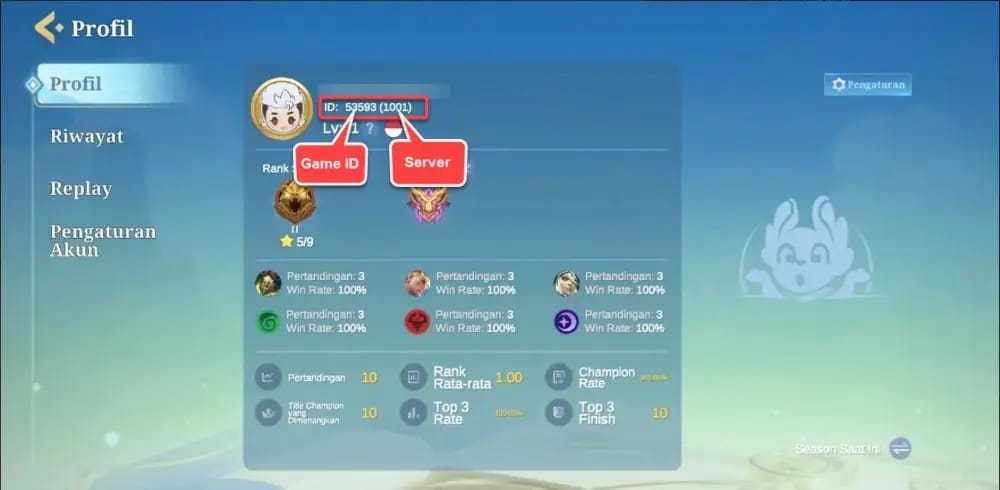
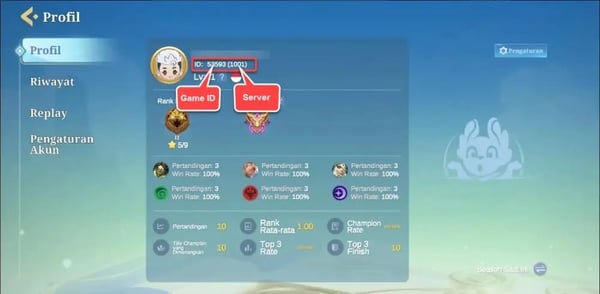
ID-based top-up is the standard every authorized reseller runs on. You punch in your User ID and Zone/Server ID, you pay, and the diamonds drop server-side straight onto your account. No password ever changes hands. Codashop, SEAGM, UniPin, and LDShop all operate this way, UID plus Server with zero credential sharing, per their published 2026 top-up flows. SEAGM and UniPin specifically get called out as officially partnered for Magic Chess: Go Go diamond purchases in a 2026 MCGG Facebook group post, which said flatly that "you can only purchase Magic Chess: Go Go Diamonds from SEAGM or UniPin" as official channels.
And the bit nobody bothers to spell out: because the diamonds get credited to your player ID at the server level, an ID-based purchase literally can't expose your credentials. There's no password floating around to phish. Worst case is a delivery delay. Not a hijacked account.
Login-based is the mirror image. A seller dangling a fatter discount "if you just give us your account" is asking for the keys to the house. Once they're inside, the discount stops mattering. They can grab the login, swap your recovery details, gut the whole thing. So my position is blunt: login or password top-up is a no at any price. The savings will never cover what credential exposure costs you. Community chatter across MLBB and MCGG groups on Reddit and Facebook lines up on this, password sharing is precisely the mechanism that feeds credential theft. A "cheaper" deal locked behind your password isn't a deal. It's the scam itself.
So step one, before anything: the checkout should want ID + Server only. See a password field? Close the tab.
Implausible cheapness is the danger, not cheapness itself
Two totally different things drive a low diamond price, and at the cart they look identical. One's harmless. The other gets you banned three weeks down the line.
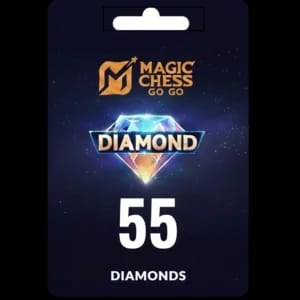
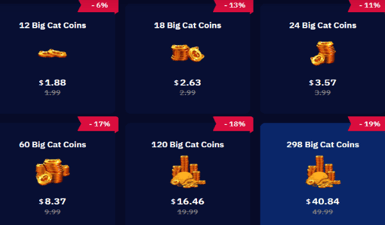
The harmless one: authorized resellers shave margins. They buy in bulk, push regional promos, and skip the platform cut Apple and Google fold into every in-app purchase. Plain retail competition, nothing sinister. For a baseline, official-adjacent pricing on Codashop US runs from $0.94 for 55 Diamonds up to $94.99 for 6,000, with a Weekly Pass at $1.89, per a 2026 Codashop store snapshot. A legit reseller discount lands modestly below those numbers. Normal band.
The ugly one: diamonds bought on stolen or fraud-sourced payment cards. Somebody loads accounts using cards that aren't theirs, flips the diamonds cheap, and walks off with clean cash before the fraud catches up. The buyer gets real diamonds for a while. Then the actual cardholder disputes the charge, the payment unwinds, and the platform claws the currency back. This is the pipeline behind the genuine horror stories, and it's the one almost nobody explains.
The giveaway is the price. A discount that's absurdly below official rates, not a friendly 10-20% but a sliver of the sticker, is itself the loudest signal of stolen-card sourcing. When something prices below what the platform fee alone would cost the seller, the only way the numbers work is if the seller never actually paid for the stock. General third-party warnings across MLBB/MCGG threads in 2026 hammer this exact point: buy way under official rates and you're courting chargeback-reversed diamonds plus a ban on a timer.
Which gives us the honest framing nobody seems willing to offer. Cheap is not your enemy. Impossibly cheap is, because it's a stand-in for fraud sourcing. A sane discount from an ID-based authorized seller and a too-good-to-be-true number from some anonymous account aren't even the same product category.
Why the ban lands weeks after you've already moved on
The ban almost never trips the second you top up. It trips later, when a payment reverses, and that lag is the whole reason buyers can't connect the dots.
Walk the lifecycle. You buy cheap diamonds. They show up. You spend a chunk. A week goes by, maybe three. Then the real cardholder behind that fraud payment files a dispute, the chargeback clears, and the platform reverses the transaction, yanking the diamonds and flagging the account that took in stolen-funded currency. Since the gap between purchase and reversal can stretch into weeks, most players never tie the ban back to a cheap top-up they'd long since forgotten. That timing gap is the most underexplained ban mechanic in this whole topic. It's also why "I topped up months ago and nothing happened" is false comfort. The clock just hadn't run out.
Second trigger: credential anomalies. Login-based sellers work off their own devices, IPs, regions. A login from some unfamiliar city, settings changing fast, access that doesn't pattern-match you, any of that can flag the account on its own, no payment problem required. ID-based delivery sidesteps the whole mess because nobody logs in but you.

On the Terms of Service question, I'll be honest about the limits. No specific Moonton clause or published ban stat for Magic Chess: Go Go turned up, so I won't fake-quote chapter and verse. What's verifiable is the enforcement pattern the community keeps documenting: fraud-linked payments get reversed and the receiving account eats the penalty. The cleaner read is that the ToS risk attaches to the fraud, not to the act of buying through a partnered reseller via ID. Authorized partners like Codashop, SEAGM, UniPin, and LDShop openly market low-to-no ban risk for the ID method in their 2026 FAQs.
So the real fight is whether any third-party buy breaks the rules. One camp, resellers and the partner mentions, says authorized ID-based is low-risk. The other, broad MLBB warnings on Reddit, says any third party carries ban exposure, unauthorized ones and chargeback cases especially. Weigh both and the evidence tilts toward authorized ID-based being genuinely safe. The documented danger keeps tracing back to fraud sourcing and credential sharing, never to legitimate discounting. The fear, as it gets written across those threads, just blends the two together.
A vetting checklist you can run in two minutes
Before you pay anyone unfamiliar, run them through this. Each line ties a warning sign to what it actually means plus what to do about it.
| Warning sign |
What it indicates |
Action |
| Asks for your password / full login |
Credential-harvest model |
Stop — never proceed |
| Price a fraction of official rates |
Likely fraud-sourced stock |
Walk away |
| ID + Server only at checkout |
Legitimate delivery model |
Safe to continue |
| No named partner status, anonymous contact |
Unverifiable reseller |
Skip |
| "Lifetime warranty" on the account |
Empty promise once flagged |
Disregard the claim |
| Lists official partner status (e.g. SEAGM/UniPin) |
Verifiable authorized channel |
Green light |
The green flags to confirm: checkout takes ID + Server only, the discount reads plausible rather than insane, and the seller is a named, traceable shop you can actually look up. For Magic Chess: Go Go specifically, SEAGM and UniPin are the ones named as officially partnered in that Facebook post, with Codashop and LDShop running the same ID-based model.
One claim deserves active suspicion: the "lifetime warranty" or "ban-proof guarantee." These vanish the instant an account actually gets flagged. There's no enforceable warranty against a publisher's enforcement action, so a seller waving one around is selling reassurance, not protection. Read it as a red flag, never a feature.
For most players the practical upshot is that reputable ID-based resellers sit about as safe as buying in-app. If vetting sellers sounds exhausting, that's the entire pitch of just sticking to an established ID-based channel. For transparency, Magic Chess: Go Go Diamonds top up via VGTopup runs the same ID method with no password required, diamonds credited straight to your player ID. The neutral point holds no matter where you spend: confirm the model, sanity-check the price.
"Paid but not received" is usually misrouting, not theft
A surprising slice of "I got scammed" posts are actually region or server mismatches. And they're recoverable. So before you spiral, this part matters.
Enter the wrong Server/Zone ID, or let the seller route to a region your account doesn't live in, and you end up in a "paid but not delivered" state that looks exactly like getting robbed. It's just misrouted delivery. Regional pricing and partner coverage genuinely shift around. Codashop and Joytify list Philippines examples around ₱50 for 56 Diamonds and roughly ₱485 for 570 Diamonds in 2026, and some SEA markets route through local partners like UniPin, per reseller and Facebook sources. A clash between your account's region and the top-up's routing is a real failure mode that does a great impression of a scam.
When the diamonds don't show:
- Double-check your ID and Server first. A single wrong digit is the most common culprit and the easiest fix.
- Hang onto the receipt and transaction reference. You'll need it for any claim.
- Hit the seller's support with the order details if it's an authorized channel.
- Escalate to official support at mobilechess.help@moonton.com, the channel listed for undelivered top-ups and flags, per the 2026 Google Play app page.
Recovery odds split into two honestly different stories. A routing failure from a legit seller usually clears up with a receipt and a support ticket. A chargeback-linked ban is a far nastier case. Community optimism around "just appeal it" oversells the odds. When an account gets actioned for receiving fraud-funded currency, the reversal is the publisher's own enforcement, and you've got almost no leverage appealing something the platform itself kicked off. I wouldn't bet on recovery there. That asymmetry is exactly why you avoid the implausibly cheap stock up front. A delivery glitch is a nuisance. A fraud ban is close to forever.
The split by player type is clean too. F2P and light-spenders chasing a one-off discount should weight reliability above all, stick to authorized ID-based partners, skip the unverified bargains, because one delivery headache or ban erases the savings on the spot. Mid-spenders running regular top-ups should default to authorized resellers via the ID method for the convenience and the claimed safety. The recurring nature just means a bad seller compounds over time, so vet once and stay put.
Cheap is fine when the model is ID-based and the price is believable. It's a trap when a password is required or when the discount only makes sense if those diamonds were never really paid for.
Frequently Asked Questions
Is ID-based top-up genuinely safer than login-based, or is that just marketing?
It's structural, not marketing spin. ID-based delivery credits diamonds to your player ID server-side, so there's no password to leak and the worst case is a delivery hiccup. Login-based makes you hand over the account, which cracks open credential theft completely independent of price. The gap is concrete: one model has nothing to steal, the other gives away everything.
Why would a chargeback ban hit weeks after I already spent the diamonds fine?
Because the dispute clock isn't yours, it's the defrauded cardholder's. They might not catch the unauthorized charge for weeks, and the reversal only fires once they file. Your diamonds behave normally right up until the clawback lands, which is exactly why "I was fine for a month" tells you nothing. The delay is the mechanic, not a pardon.
Does buying from an authorized reseller break the Terms of Service?
No specific Moonton clause for Magic Chess: Go Go turned up, so anyone quoting an exact rule is winging it. What is documented: authorized partners like SEAGM and UniPin get described as officially partnered for diamond purchases. The enforcement risk keeps attaching to fraud-sourced payments and credential sharing, not to using a partnered, ID-based channel.
What's the price floor that signals a scam?
There's no published threshold, but the logic's simple. A legit seller still pays for stock, so a discount that's a fraction of official rates, well past the platform-fee savings a real reseller can pass along, only pencils out if the stock wasn't bought honestly. With Codashop US ranging $0.94 to $94.99 in 2026, treat anything dramatically below those bands as a fraud signal, not a bargain.
My diamonds didn't arrive — should I assume I got scammed?
Not yet. Check your Server/Zone ID first, since a region or server mismatch produces a "paid but not delivered" state that looks exactly like theft but is just misrouting. Keep your receipt, contact the seller if it's an authorized channel, then escalate to mobilechess.help@moonton.com. A routing failure usually resolves. Only credential-based or fraud cases tend to be the unrecoverable ones.







Comments