"The smallest pack is always a rip-off" — qualified
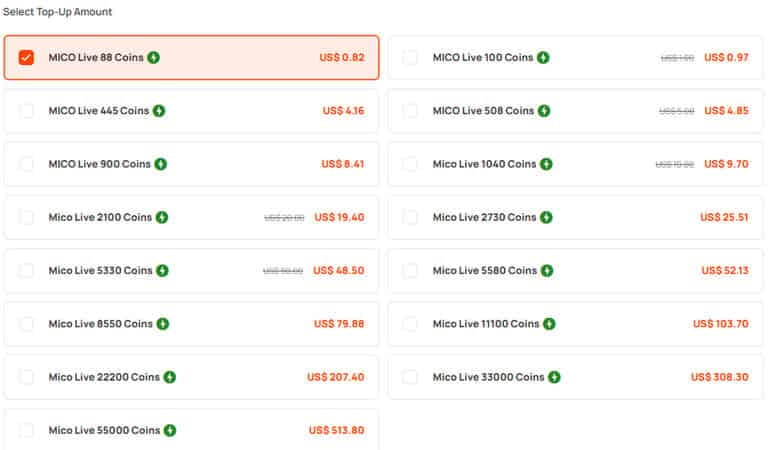
Strictly on the numbers, the entry tier does charge a premium. The smallest listed bundle runs 88 Coins for $0.86 on third-party channels, per Eneba, which pencils out to roughly $0.0098 a coin. The entry pack most people actually reach for, 445 Coins, sits around $3.95–$4.07 on third-party sites or $4.99 official, per EnjoyGM and BitTopup listings. Call it $0.009–$0.011 per coin.
Now look at one rung up. The 2730-coin pack lands at $4.85, or $0.00178 per coin, per BitTopup's April 2026 ranking. Roughly the same dollar figure, pennies apart, yet five times the coins. That isn't a rounding quirk. That's the difference between walking away with a fistful of gifts and walking away with an actual balance.
Still, "rip-off" pushes it too far. The entry tier is overpriced per coin, not overpriced in raw dollars. If all you want is two or three roses and you'll never recharge again, dropping $0.86 to do precisely that isn't a con, it's discipline. The pack existing was never the problem. It's tapping it on autopilot when what you really needed was bigger.
VERDICT: qualified — overpriced per coin, but not irrational for a genuinely tiny need.
"Cost-per-coin is just guide-writer math" — busted
People brush off cost-per-coin like it's pedantry. Honestly it's the cleanest way to line these packs up, and the sticker price will actively trick you. Two packs both ring in around five bucks. One hands you 445 coins, the other 2730. The price tag tells you nothing worth knowing. The per-coin figure tells you the whole story.
Stack the tiers next to each other and the drop-off is harsh.
| Pack Size |
Price (third-party) |
Cost per Coin |
Notes |
| 88 Coins |
$0.86 |
~$0.0098 |
Smallest listed |
| 445 Coins |
$3.95–$4.07 |
~$0.009 |
Common entry; misses bonuses |
| 2730 Coins |
$4.85 |
$0.00178 |
Best base cost-per-coin |
| 8550 Coins |
Varies |
$0.00188 |
Bonus-event eligible |
Source: BitTopup / EnjoyGM 2026 snapshots (2026)
And this isn't a one-patch fluke. A 2025 BitTopup savings report clocked small packs at $0.009/coin, medium at $0.007, large at $0.005. The curve bows the same way every time it gets measured. Smaller bundles always run a touch dearer per coin than larger ones, as TopUpLive said flatly in its 2025 guide.
The 445-vs-2730 line is the one that lodged in my head. Almost identical price, one gives you five times the mileage. Ever since, coins-per-dollar has been the only column I bother reading.
VERDICT: busted — per-coin comparison is the only one that survives contact with reality.
"Buy the biggest pack for value" — qualified, and the patch nobody flagged
Mostly right, this one, which is exactly why budget players get singed by it. Larger packs do win on cost-per-coin, no argument. But two things muddy the blanket rule, and both got heavier in 2026.
First came the v5.2 patch (rolled out March/April 2026), which quietly trimmed the global coin rate. The platform slid from roughly 110 coins per USD down to 94–99 coins per USD, per BitTopup's v5.2 report. So everyone's paying a bit more per coin than they did before the update, which makes wringing value out of the right tier more relevant now, not less.
Second, and this is the bit the "buy big" crowd glosses over, that same update wiped out the MENA regional advantage. Historically MENA accounts had a structural edge near 30%, pulling 143 coins per USD against the global ~110, according to the same MENA tracking. Post-patch, MENA fell into the same 94–99 band as everywhere else. The geographic shortcut is dead.
That's a meaningful hidden lever gone with real cash attached. Where you once leaned on your region for a discount, you now lean wholly on which platform you buy through. Trusted third-party channels shave 17–29% versus in-app across tiers, per the same report, because app-store fees bloat in-app pricing, a thing TopUpLive raised in 2025 as well. With the regional lever yanked, that 17–29% is the biggest discount still on the board for anyone, MENA or otherwise.
So "buy big" reads the slope correctly and the context not at all. For most people right now the heavier value lever isn't pack size. It's dodging app-store markup, then settling on a sensible tier.
VERDICT: qualified — bigger is cheaper per coin, but platform choice now outweighs region entirely.
"Save the first-recharge bonus for later" — busted, spend it on your biggest realistic buy
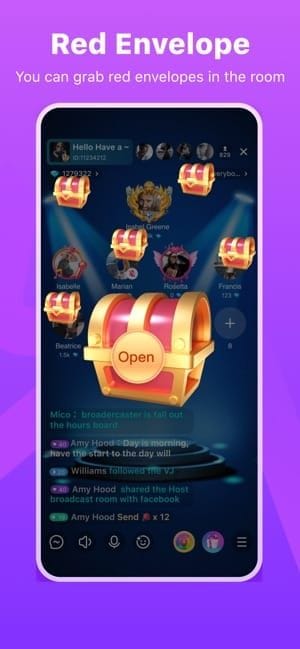
This is the one that bleeds the most money, and almost nobody bothers to lay it out. Mico runs a first-recharge bonus, a one-time perk that drops free coins on top of whatever you buy. Since it's one-time and applies to any pack you pick, its worth climbs with the size of the purchase. Claim it on the 445 entry pack and you've spent a single-use multiplier on the tiniest possible base.
BitTopup's April 2026 analysis doesn't soften it: spending the first-recharge bonus on the smallest 445 pack throws away scaling value. The logic clicks the second you see the lever. A bonus stacking, say, some percentage on top of 445 coins barely registers. The identical bonus on 8550 coins is a fat slug of free currency.
My read is simple. That first recharge is the best-value moment you'll ever get on this platform, and the smallest pack is the worst place to cash it. If you suspect you'll eventually want a proper balance for gifting, hosting rooms, climbing levels, then queue up the largest pack you'd actually buy and let the one-time bonus ride that base. Don't fire it off to send three roses.
To be fair the other way: if you're genuinely certain you'll never spend past a trivial amount, the bonus on a small pack is still some free coins, and there's something to be said for restraint. That's a thin slice of users, though. For anybody undecided about future spending, holding the bonus back for a larger first buy is the higher-EV move.

VERDICT: busted — the bonus is tier-independent, so its value scales with pack size; never burn it on the minimum.
"The minimum balance gets you almost nothing" — depends on what you came for
The runway question is where the smallest pack either earns its keep or quietly lets you down, and it pivots entirely on your goal.
Down at the bottom, individual gifts cost next to nothing. A rose is just 1 Coin, per EnjoyGM's Mico guide. If the plan is to toss a few roses into a stream you enjoy, even an 88-coin pack goes shockingly far, dozens of little gestures' worth. For a real one-off "I want to tip this creator once and be done" goal, the minimum pack is honestly fine, and the "always buy big" chorus never mentions it.
Where small balances vanish is the instant you move toward anything structured. Private rooms hold up to 8 guests, and PK-battle hosts can pull $50–$200 an hour, per the same guide. That's an ecosystem wired for steady coin flow, not a lone 445-coin top-up. And bonus events routinely gate behind 5000+ coins. The 445 pack seldom clears that bar, per BitTopup, whereas the 8550 tier sails past 5000 without a sweat. So the smallest pack doesn't merely hand you fewer coins, it shuts you out of the very promotions that make bigger buys even sweeter. The gap snowballs.
VERDICT: depends — fine for a few gifts, a dead end the moment you want bonus events or room hosting.
The buy-or-skip rule, by who you actually are
Cut the noise and the right call sorts cleanly by spending profile. No mushy "it depends" here, just the split read, all of it traceable to the 2026 persona breakdowns.
- F2P / near-zero spender testing the waters. Drop the habit of repeat tiny buys. One 2730 pack as a single trial purchase beats stacking minnows, better per-coin value plus a genuine balance to actually feel the platform out. If the first-recharge bonus is in play, this is also where it pays off.
- Light spender, occasional gifts. Aim at the 8550 tier. It clears the 5000+ bonus threshold and lands the best ongoing value at $0.00188/coin. You'll gift without re-topping every week and stay eligible for the events that reward bigger spends.
- Casual user with one specific coin goal. Buy the minimum tier that actually covers your need, but route it through a trusted third-party to bank that 17–29% saving, and quit reflex-buying small packs in a loop. A single planned mid-tier purchase through a reputable channel beats five impulse top-ups, per BitTopup's casual-buyer note.
The trap that snares all three is the reflex buy: smacking the smallest pack again and again because it feels cheap in the moment, when one deliberate purchase would've cost less per coin and sidestepped the wasted-bonus problem entirely. That's the leak. Not the pack itself.
VERDICT: confirmed — the smallest pack is smart only as a deliberate, need-matched one-off; as a habit it's the priciest way to spend.
Two routes, and they don't price the same. In-app is the convenient one and the dearer one, since app-store fees inflate it, which is the whole reason third-party channels come in 17–29% lower. The in-app flow, per a widely-followed YouTube recharge tutorial, goes: open the app, head to the Me tab and your profile, tap Recharge Coins, choose the pack, add a payment method, confirm.
The third-party flow is nearly as quick and noticeably lighter on the wallet: pick your pack on the site, enter your MICO UID, pay, and coins arrive in minutes, per EnjoyGM's 2026 steps. The one rule that guards your money here is sticking to a reputable channel instead of some random unofficial seller. Overpaying or gambling on a sketchy channel is the avoidable pitfall both TopUpLive and EnjoyGM warn about. If you've decided the minimum pack suits your budget, Mico Coins Recharge top up through VGTopup, the third-party platform publishing this guide, is one straightforward way to compare the current tiers before you confirm. The neutral point holds either way: read coins-per-dollar, not the sticker, and never eat in-app markup when a trusted alternative runs cheaper.
One last gut-check before you tap pay. Confirm whether your first-recharge bonus is still unclaimed. If it is, that one fact should bump your purchase upward. Claim it on the biggest pack you'd genuinely use, then drop back to need-matched buys afterward.
Frequently Asked Questions
How many coins are in the smallest Mico pack, and what's the absolute minimum I can buy?
The smallest listed bundle is 88 Coins for $0.86 on third-party channels, per Eneba's 2026 listing, with even tinier fractional packs like 43 Coins for $0.42 turning up in some catalogs. The most common entry tier people actually see is 445 Coins. Below 445, availability shifts by region and channel, so the true "minimum" comes down to where you're buying.
Does the first-recharge bonus expire if I don't use it right away?
It's a one-time perk bolted to your first recharge, not a recurring drop, so it won't "expire" on a clock the way event promos do, but you only ever get to trigger it once. That's precisely why you don't want it landing on the 445 pack. Since the bonus scales with pack size, claiming it on a tiny base permanently forfeits the bigger free-coin slug a larger first buy would've unlocked.
Is the smallest pack still a bad deal in MENA after the v5.2 patch?
The regional edge is gone. MENA accounts slid from ~143 coins per USD down to the global 94–99 band after that update, per BitTopup's MENA report, erasing the roughly 30% structural advantage. So MENA users no longer hold a geographic discount that could've partly cushioned the smallest pack's premium. Now everyone, MENA included, leans on platform choice and tier selection instead of region.
How many coins do I actually need just to send a gift?
Barely any. A rose costs 1 Coin, per EnjoyGM, so even the 88-coin pack covers dozens of small gifts. If a handful of roses is truly all you're after, the smallest tier is fine and won't feel like waste. The figures only swing against you once your goal drifts toward bonus events (gated at 5000+ coins) or hosting rooms, where small balances dry up fast.
Why is buying small packs repeatedly worse than one bigger purchase?
Every small top-up locks in the steepest cost-per-coin (~$0.009) and rarely clears the 5000+ threshold bonus events demand. Stacking them means paying that premium over and over and skipping the bundle-only bonus coins larger packs trigger. One planned mid-tier buy through a trusted third-party, saving 17–29% versus in-app per BitTopup, beats the reflex-buy loop on every front: per-coin value, bonus eligibility, and total outlay.






Comments