Where the pricing anchor came from: in-app billing
For most of Chamet's existence the App Store and Google Play tiers were the only prices anyone laid eyes on, and they still work as the psychological anchor every third-party site quietly slides under. The in-app 62,500-diamond pack hovers around $13.99 in 2026 comparisons, while the in-app 625,000 mega tier swings anywhere from $139.99 to $179 (per figures pulled together across 2026 reseller reports).
So why the steep numbers? Platform store cuts, mostly. In-app purchases drag a roughly 15–37% markup against third-party channels, driven by store fees folded straight into the displayed price (BitTopup's 2026 sources spell this out). The price you see on iOS isn't Chamet's price. It's Chamet's price plus whatever slice Apple or Google takes. When a guide calls a pack "great value" and never names the channel, it's measuring against an inflated baseline.
US buyers eat the worst of it. The in-app markup sits near ~30% stateside, and third-party recharge is what closes that gap (per BitTopup's 2026 price guide). The first time I lined an in-app tier up beside a web portal carrying the identical diamond count, that store-cut spread was the thing that practically waved at me, and it recast every "limited offer" banner I'd been tuning out.
The store-fee years set the anchor. What cracked it open was third-party recharge maturing through 2025 and into 2026, which is where the actual bargains have set up shop.
How third-party recharge took over the value game
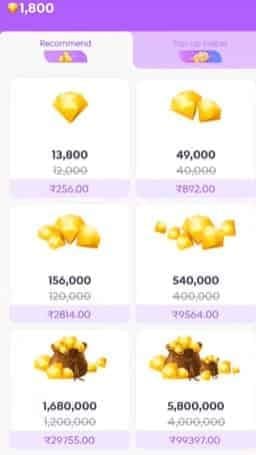
By June 2026 the cheaper, ID-based recharge route had quietly become the default for value-minded folks, and the savings stopped being a rounding error. Third-party platforms run a steady 10–30% under in-app pricing with delivery inside 1–5 minutes (per a spread of 2026 reseller guides across LootBar and similar shops).
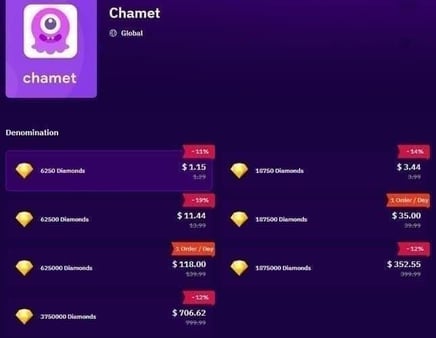
Here's how the tiers actually shake out right now:
| Pack (Diamonds) |
Third-Party Price (USD) |
Est. Savings vs In-App |
| 6,250 |
$1.07–$1.19 |
— |
| 18,750 |
$3.47–$3.55 |
12–24% |
| 62,500 |
$10.71–$12.66 |
15–25% |
| 187,500 |
$34.50–$37.12 |
~20% |
| 625,000 |
$106–$118 |
21–37% |
Source: Aggregated from Joytify, TOPUPlive, BitTopup, June 2026 (tier5).
Work out the cost-per-diamond and the shape jumps right out. The 6,250 pack lands around $0.000176 per diamond at its low end ($1.10 ÷ 6,250). The 625,000 mega pack? Roughly $0.00017 per diamond at $106, and that's before any flash discount lands on top. The per-unit improvement from small to mega is real, but it isn't dramatic. The heavier win is sidestepping the in-app markup outright, not climbing the pack ladder.
That distinction matters, because the "always grab the biggest pack" gospel everyone repeats is only half true. The cost-per-diamond curve goes flat fast. Bigger packs hand you better value-per-diamond, and the 625k tier is the honest sweet spot for active users (per Joytify's June 2026 listings, and other 2026 guides back it). Still, if you're not actually going to spend 625,000 diamonds, you've just parked capital in a currency you don't need. Overbuying for a fractional per-unit gain is money set on fire.
So the third-party shift didn't just shave prices. It rewired which pack is right for whom, and that's the bit the newer guidance finally nails.
The right pack depends on how you actually spend
The 2026 consensus has grown past one-size-fits-all. The correct deal now forks cleanly by spend pattern, and pretending it doesn't is exactly how people overspend. Three profiles cover nearly everybody:

- Casual gifter (occasional sends): the 18,750 pack at ~$3.47–$3.55 is the right call, where third-party saves 12–24% over in-app (per Joytify and TOPUPlive 2026 listings). You don't want bulk. You want to stop overpaying for a small habit.
- Low-spender (one mid pack now and then): the 62,500 tier at $10.71–$12.66 is the comfortable middle, 15–25% under the ~$13.99 in-app sticker. Enough runway to gift freely without tying up cash.
- Regular spender (monthly volume): this is where the 625,000 pack earns its keep, squeezing out maximum value with 21–37% savings and bulk efficiency (per BitTopup's 2026 guides).
My read: for anybody sitting below the "regular spender" line, the mega pack is a trap in a discount costume. The per-diamond gain over a mid pack is slim, and you've now sunk three figures into diamonds you'll trickle out over months. The low-spender's smartest move is the 62,500 pack. Fast to use, cheap to replace, zero buyer's remorse.
One mechanic worth flagging: bulk buys on third-party sites frequently stack extra discounts or flash sales that flat-out don't exist in-app (per Enjoygm and BitTopup 2026 reports). So when the mega pack genuinely is your pack, timing it to a sale compounds the saving instead of just pocketing the base discount.
That's the current value map. But two things still chew people up no matter which tier they land on, region and safety, and both deserve their own pass before checkout.
Region and device: why your price isn't your friend's price
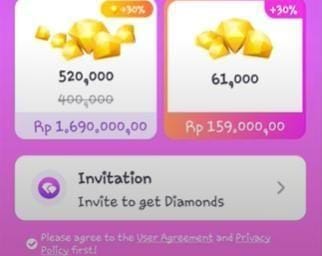
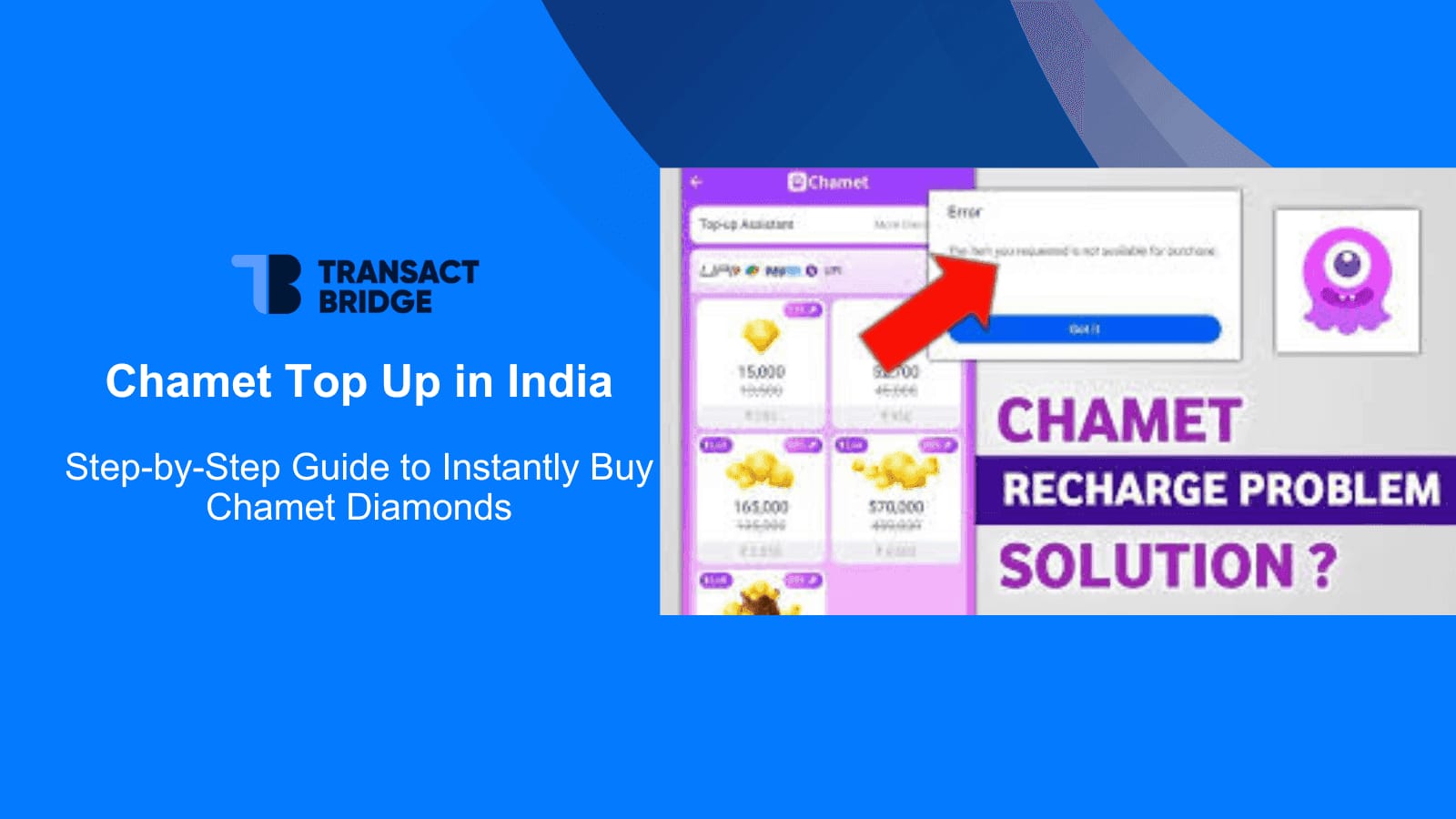
A "cheapest pack" verdict means nothing without naming the market, because currency and local payment rails nudge the real cost around. The clearest documented case is India, where UPI gets supported on platforms like Transact Bridge and its peers, prices tracking the USD equivalent while local methods smooth out the checkout (per Transact Bridge's 2025 India guide).
For a lot of users the device gap bites harder than the regional one. Since store cuts (~30%) often get baked into displayed prices, the same pack can cost more on iOS than through a web portal. Worth committing to memory. If a friend paid less for an identical diamond count, the likeliest culprit isn't some secret promo. They recharged through the web while you tapped "buy" inside the app on an Apple device.
Before you assume you've stumbled onto a regional deal, check the channel first. Device and store markup account for more price gaps than currency ever does. And once you've locked in channel and pack, the only thing left to fumble is how you pay, which is exactly where money tends to evaporate.
The User ID step that makes or breaks the transaction
The whole third-party model hangs on your Chamet User ID, and nailing that one detail is what stands between instant delivery and a dead charge. The process is short:
- Open Chamet, tap Me → My Profile, and copy your 8–12 digit numeric User ID under your avatar.
- Open a reputable recharge site.
- Select your pack.
- Paste the ID, then double-check every digit.
- Pay via credit card, PayPal, or a local method like UPI where it's supported.
- Diamonds land in 1–5 minutes.
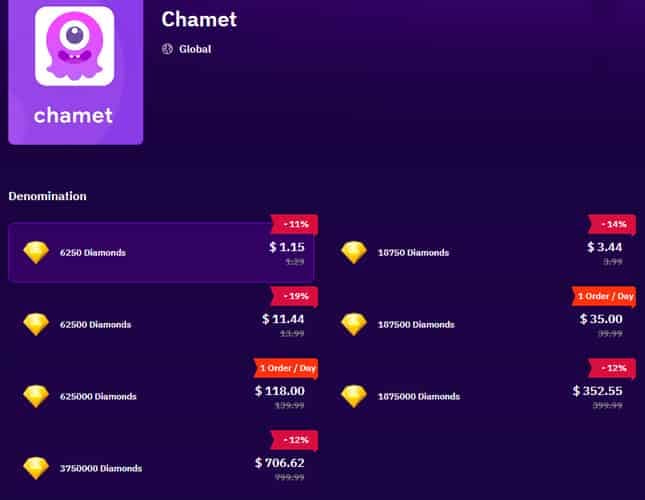
That's the whole dance. No app login handed off to anyone, no password shared around. The ID-based flow is safer than it sounds precisely because you never give up account credentials (per Transact Bridge and Joytify 2026 process notes).
Where people bleed money is sourcing. Stick to high-rated platforms and steer clear of unverified sellers to dodge failed transactions or account headaches. LootBar, for one, carries a 4.9 Trustpilot rating per its 2026 listing. The single most common self-inflicted wound is a fat-fingered User ID firing diamonds off to a stranger's account, and there's no tidy undo for that, so the thirty seconds you spend confirming the digits is the highest-payoff moment of the entire purchase.
If you've already crunched the cost-per-diamond figures and settled on your tier, Chamet Diamonds top up via VGTopup is one transparent third-party option. Confirm the live price against the table above before you commit, since listings shift around. (Disclosure: VGTopup publishes this guide; the neutral pricing analysis around it holds up on its own.)
Pay it right and the last thing left to dodge is the marketing, the packs and timers engineered to coax you into spending past your plan.
The deals that look great but aren't
Some of the loudest "value" offers are the worst buys on the board, and learning to spot the pattern saves real money. Two traps keep recurring.
First, the anchor-priced small pack. Starter and 6,250-diamond bundles get dressed up as approachable little wins, but going small forfeits the bulk discounts the larger tiers carry. Tiny packs just offer worse value per diamond (per BitTopup and LDShop 2026 guides). They aren't a "deal," they're the convenient option wearing a premium price tag.
Second, manufactured urgency. Jumping on "limited-time" timers slapped on small packs leads to overspending versus simply holding out for a real bulk sale (per Enjoygm's May 2026 timing guide). Those countdowns are rarely as scarce as they pose. Seasonal events and flash sales cycle back, so the same bonus tiers swing around again. The urgency is the product. The discount isn't. My honest preference is to ignore any timer bolted to a small pack and only let a genuine event-timed mega pack sale move my hand.
There's a fair safety question hovering over all of this too: is third-party recharge actually compliant and safe, or a gamble? The evidence leans plainly toward viable. Reputable third-party recharge has tested as safe and 10–30% cheaper with no ToS friction (per BitTopup's 2026 reporting); the documented risk concentrates in unverified sellers, where Reddit threads have flagged scam and account-issue potential. The fix is boring but it works. Buy ID-based from a high-rated platform, verify the ID, and your risk drops near the in-app baseline while you keep every dollar of the savings.
So what should actually get the "buy" click? It rides entirely on the volume you'll truly use.
What to actually buy in 2026
The whole decision boils down to one question: how much will you genuinely spend? If you gift here and there, take the 18,750 pack from a reputable third-party site and call it done. Paying in-app for that habit just hands 12–24% to a store cut for nothing. If you're a steady but moderate gifter, the 62,500 tier at $10.71–$12.66 is the cleanest value-to-commitment ratio in the lineup. And if you genuinely move volume month after month, the 625,000 pack timed to a flash sale is the one spot where the mega-tier discount actually earns it, 21–37% off, stacked higher if you catch an event window.
What I flatly won't do: overbuy the mega pack for a marginal per-diamond gain when I won't burn the volume, chase a small-pack countdown, or tap "buy" in-app on iOS without pricing the web first. Those three blunders cost more, taken together, than any pack-tier optimization ever claws back.
One thing to keep an eye on going forward is the seasonal calendar. Flash sales and event windows on third-party sites are where the next real discounts will surface, so the smart play is to have your pack decision made in advance and just wait for the right window instead of reacting to a banner.
Frequently Asked Questions
What are the best Chamet diamond top up deals right now in 2026?
The strongest standing value is the 625,000-diamond pack on a reputable third-party site, running ~$106–$118 against $139.99–$179 in-app for 21–37% savings (per BitTopup's April 2026 comparison). For lighter spenders, the 62,500 tier at $10.71–$12.66 is the better real-world grab, and either improves again during third-party flash sales that in-app billing never bothers offering.
Is it cheaper to top up Chamet diamonds on the web or in the app?
Web and third-party recharge come in cheaper, typically by 10–37%, because in-app prices fold in a roughly 15–37% store cut. The gap yawns widest for US iOS buyers, where the in-app markup sits near ~30% per BitTopup's 2026 data. The catch most people miss: the identical diamond pack can cost more on iPhone than on a web portal purely thanks to Apple's fee, not any pricing difference on Chamet's end.
Does Chamet give a first purchase bonus, and should I save it?
No standardized first-purchase bonus turned up across 2026 third-party listings. The documented savings flow from channel choice and bulk tiers, not a one-time promo. So don't sit on your hands waiting for a starter-pack bonus that might not even touch your account; the reliable lever is buying the right-sized pack from a high-rated third-party site at the going rate.
Why are my Chamet diamonds more expensive than my friend's?
Two reasons run the show: device and channel. If your friend bought via web recharge or on Android while you went in-app on iOS, the ~30% store cut alone covers the gap. Region plays a smaller part. Markets like India track the USD equivalent but offer local rails such as UPI (per Transact Bridge's 2025 guide), smoothing the checkout rather than slashing the headline price.
How do I make sure my Chamet top up doesn't fail?
Copy your 8–12 digit User ID from Me → My Profile and paste it exactly. A mistyped ID is the most common failure, and diamonds fired off to the wrong account can't be clawed back easily. Stick to high-rated platforms (LootBar, for instance, holds a 4.9 Trustpilot rating per its 2026 listing), and reputable sites deliver inside 1–5 minutes. Steer well clear of unverified sellers, where community reports flag transaction and account risk.





Comments