Cheaper and safe, or do you have to pick one?
The resale pitch is blunt. Third-party sites advertise 25-35% off Spirit Jade/Orb packs versus official channels on the SEA build, per LDShop.gg and LootBar listings as of June 2026. The pushback's just as blunt: a thread on r/Bleach_SoulResonance flags these methods as a Terms of Service violation, "though enforcement is rare in most games."
That's a real conflict on the record. One camp swears the delivery's ban-proof because it's UID-only; the other waves a ToS risk that's true on paper but barely acted on. Nobody's lying. They're answering two different questions. The seller's answering "will the Orbs actually land in my account?" The Reddit caution's answering "is this technically against the rulebook?" Both hold at once, and the space between those two answers is exactly where a sharp buyer wins or loses money.
My read, after sitting with it a while: the "you'll get banned" panic got borrowed wholesale from a different practice. Account-sharing boost services, where you literally hand somebody your login. UID top up never touches your login. That one mechanical fact is the whole game, and I'll walk through why below.
Where the price gap actually comes from

The discount isn't a loss-leader stunt, and it isn't a too-good-to-be-true flag on its own either. It traces straight back to platform economics. Apple and Google skim roughly 30% off in-app purchases (the standard policy you'll see referenced across third-party discount claims in 2026), and it's the same fee structure that's pushed basically every big mobile publisher toward web-shop alternatives.
Here's the arithmetic. Buy a Spirit Orb pack through the in-game mall on iOS or Google Play, and the publisher pockets about 70 cents on the dollar. A reseller buying in volume and pushing currency through the official server gateway can hand a slice of that platform tax back to you. That's the physical origin of a 25-35% sticker gap. It's not corners cut on what reaches your account.
When I first stacked the in-game price next to a UID reseller, that gap is exactly what caught my eye. Then the official side quietly reels some of it back in: first-recharge and pack bonuses fire on official in-app or web purchases, per Bluestacks' spending guide, and a UID route may or may not copy those depending on how it's wired. So the honest framing isn't "third-party is 30% cheaper and that's that." It's "third-party wins on raw Orbs, official wins on anything bonus-loaded, and which one comes out ahead flips with whatever you're actually buying."
Regional pricing piles on a second layer. SEA servers across Singapore, Malaysia, the Philippines and Indonesia each carry their own Google Play and App Store regional prices, while third-party sites tend to run a flatter discount that sidesteps local store fees, per SEA top-up walkthroughs on YouTube (2026). I couldn't dig up per-market tables granular enough to print exact SG-vs-PH numbers with a source behind each one, so I'm not going to make them up. What's documented is the direction: regional store pricing wobbles, and a flat third-party cut sits on top of whatever your local baseline happens to be.
| Method |
Price advantage |
Safety notes |
Bonus delivery |
| Official (Google Play / App Store / Web) |
Baseline price |
Full ToS compliance, store refund recourse |
First-recharge bonuses apply |
| Third-party UID (LDShop / LootBar / similar) |
~25-35% cheaper on Orb packs |
UID only, encryption claimed; ToS risk per Reddit |
May or may not include bonuses |
| Watch-outs (either side) |
Chargeback bans possible if funds disputed |
Never share password — UID only |
Verify delivery policy before paying |
Source: LDShop, LootBar, r/Bleach_SoulResonance (2026)
Once you split UID from login, "safe" means something specific
The ban-risk story breaks cleanly into two cases, and smushing them together is the single biggest unforced error players make.
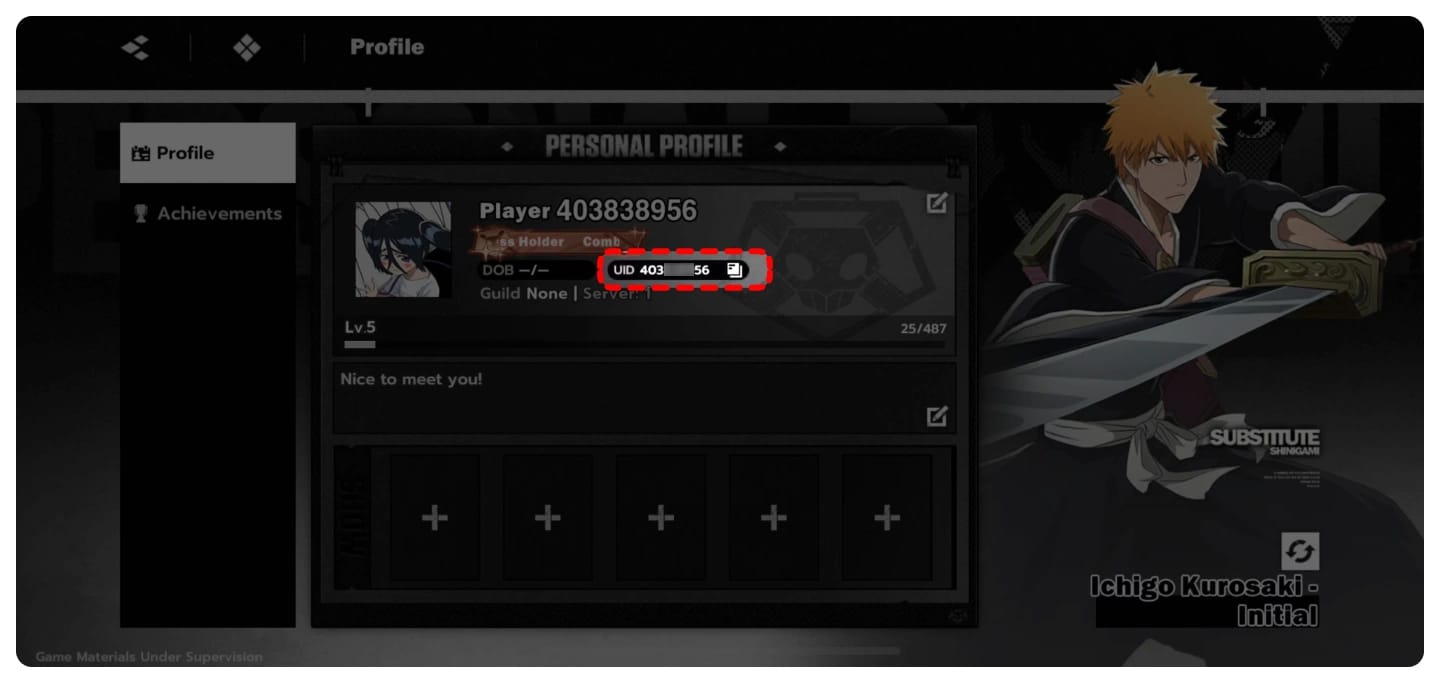
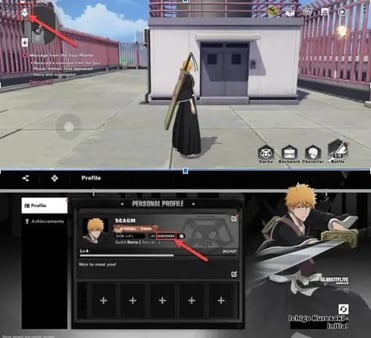
Case one is UID-based top up. You hand the seller your Player ID (a number, not a credential), and they push currency through the same official channels the game's already using. Several third-party sites describe this as login-free and call it ban-proof precisely because no credentials swap hands (2026). Delivery rides the server gateway, which is also why these recharges show up as instant. Nothing in that process logs into your account or rewrites it the way a boosting service would.
Case two is account-login services, where you cough up your username and password so somebody else can act as you. That's the genuinely hazardous practice, and it's the one publishers actually chase down. When the Reddit caution and the broader gacha-community PSAs warn about bans, the documented enforcement clusters around account sharing, not currency dropped to a UID.
So is UID top up safe for Bleach Soul Resonance? On the mechanics, yes. The attack surface that gets accounts banned just isn't sitting there. The honest caveat: no official patch notes or developer statement on third-party top-up policy for this game showed up across official-site searches as of June 2026. So I'm reasoning from how the mechanic works and from a missing enforcement record, not from a published "this is allowed" line. That's a meaningful difference, and I'd sooner say it out loud than pretend a green light exists.
One place I won't hedge: the fear that simply sharing your UID compromises your account is unfounded. A bare UID lets nobody log in or steal a thing. Treat it like a username on a leaderboard. Visible, not secret.
The seller is the threat, not the publisher
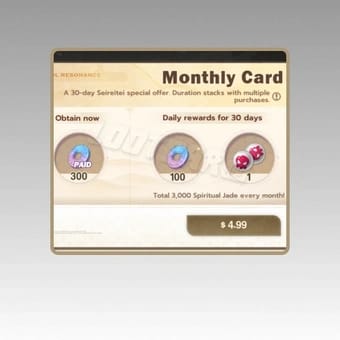
Point your worry over here instead. The real risks bolted to third-party recharges are about payment integrity and delivery, and there are three concrete ones.
First, chargeback clawback. If a third-party payment gets disputed after you've already burned the Orbs, you can wind up sitting on negative currency and, worst case, a ban. That's a consensus warning across gacha communities (2026), and it's a payment-fraud outcome, not a "UID top up is illegal" one.
Second, stolen-funds listings. Prices that are too cheap can signal a seller funding recharges with stolen cards. When those charges reverse, the publisher can yank the currency back out of your account, per the same community PSAs. A discount way past the structural 25-35% band isn't a better deal. It's a red flag with a price tag.
Third, delivery failure with no recourse. If a recharge stalls or never lands, the practical move is to hit the third-party seller's support first. An official in-app purchase, by contrast, has Google or Apple refund recourse standing behind it (general site guidance, 2026). That dispute backstop is the true premium you're paying for at official prices. It's not protection from bans.
Most "cheapest top-up" roundups skip exactly these factors, fixating on a 3% headline gap while ignoring delivery speed and dispute support, which matter way more the moment something goes sideways. A vetted seller with instant delivery and a clear refund policy is worth more than some no-name listing that's a dollar cheaper.
A two-minute check before you pay
Run any channel through this. Costs you about two minutes and screens out the listings that actually cause regret.
- UID only, never login. If a site asks for your password, your game login, or a verification code, shut the tab. Legit UID delivery needs your Player ID and nothing more, which is the guidance LootBar and LDShop both publish (2026).
- Discount sits in the structural band. A 25-35% saving tracks the app-store fee logic. A 60% "flash deal" doesn't, and that's the stolen-funds clawback pattern dressed up.
- A written delivery and dispute policy. What happens if the Orbs don't show? No answer on the page means no recourse.
- Selectable region/server. SEA pricing is region-specific, so a real channel lets you pick SG/MY/PH/ID instead of assuming one flat rate.
- Real payment rails. Recognizable processors over direct-to-wallet transfers that carry zero buyer protection.
- Reachable support. A contactable support channel is the gap between a delayed recharge getting fixed and your money quietly evaporating.
- Price it against the in-game mall first. Open the official store, jot down the pack price, then compare. If the gap doesn't meaningfully clear the bonus value you'd forfeit, official wins by default.
Disclosure: this article's published by VGTopup, which is itself a UID-based top-up platform. So weight it accordingly and run the checklist on any channel, ours included. If a UID route suits your budget, you can Bleach: Soul Resonance SEA Top Up top up with login-free delivery, though I'd price it against the in-game mall first and take whichever genuinely wins for what you're buying.
Do first-recharge and pack bonuses survive a UID recharge?
This is where the paranoia runs hottest and the nuance helps most. First-recharge and pack bonuses are server-side rewards tied to your account's spend, not to whichever payment rail processed the order. The bonus mechanics fire because the Orbs land in your account normally. The trigger's your account total, not the checkout button you clicked.
But the qualifier's real, and it's the part that bites. Community discussion (2026) notes third-party UID recharges may or may not deliver bonus-loaded packs depending on the channel. The cleaner mental model: raw currency packs port fine, while anything bundled with a one-time bonus or a special promo can be inconsistent across resellers.

And some packs simply can't be third-partied at all. Battle-pass-style purchases and region-locked promos are typically buyable only in-app, because they're welded to the store transaction itself. No UID channel can deliver those. So if you're after the first-recharge double or an in-app-exclusive promo bundle, buy official and don't overthink it. After a plain stack of Spirit Orbs? The UID route's price edge is real.
Who should buy where
The right answer genuinely shifts by spend level, so here's the clean split.
F2P and low-spenders pull the most out of the fee savings, proportionally. Every dollar carries more weight on a small budget, and the app-store cut you skip is a bigger slice of your total outlay. The Bluestacks spending guide (2025) recommends leaning on monthly cards and beginner packs through official for the bonuses, which is solid. But for occasional small recharges where the gap clears 20%, a verified UID channel is the smarter pickup. Grab the first-recharge double official; take raw Orbs cheaper elsewhere.
Mid-spenders running a monthly card plus event packs should lean official for reliability and that first-recharge bonus, then dip into third-party only from verified UID sellers on repeat monthly-card buys when they're cheaper, per community spending breakdowns on YouTube (2026). You're paying a slim premium for dispute support, usually worth it at this tier.
Whales dropping heavy cash monthly should weigh delivery speed and dispute backing above a couple percent of savings. Volume discounts are tempting, sure, but verify the delivery policy first. When a single transaction is large, the recourse behind an official purchase is cheap insurance.
The line I'll stand on: "official is the only safe way" is oversimplified. A vetted UID channel can be both safe and better value, and the lowest listed price is often the worst deal once you weight delivery failure and zero dispute recourse against it. Pick on total value, not the sticker.
Frequently Asked Questions
Can you get banned for third-party top up in Bleach Soul Resonance?
On the record, no enforcement aimed at UID recharges has surfaced, and no official policy statement on it existed across official-site searches as of June 2026. The r/Bleach_SoulResonance thread (2026) flags a technical ToS conflict with rare enforcement. The bans that do land cluster around account-login sharing, which is a different practice entirely. UID delivery never touches your credentials, so the realistic ban risk is low.
Is sharing my UID with a top-up site actually risky?
A UID's an account identifier, not a credential, so sharing it by itself can't log anyone in or compromise your account. The hard rule from LootBar and LDShop guidance (2026): never hand over your password or a login code, only the UID. If a site asks for anything past your Player ID, that's your red flag, not the UID itself.
Why is a too-cheap top-up dangerous if it's still UID-based?
Because the payment funding it might be stolen. Gacha-community PSAs (2026) warn that listings way under the structural 25-35% band can run on stolen-card money. When those charges reverse, the publisher claws the currency back out of your account and you can drop into a negative balance. A discount that beats the app-store-fee logic by a mile isn't a steal, it's the clawback trap.
What do I do if my top-up doesn't arrive?
Hit the seller's support first. A legit UID channel publishes a delivery and dispute policy for exactly this scenario. Official in-app purchases carry Google or Apple refund recourse as a backstop (site guidance, 2026), which is the genuine premium you're paying official prices for. It's why reading a seller's written delivery policy before you pay matters more than shaving off the last dollar.
Will the first-recharge bonus trigger if I top up via UID?
For raw Orb packs, yes. The bonus is server-side, keyed to your account spend rather than the payment method. But community reports (2026) note bonus-bundled packs can be inconsistent across resellers, and in-app-exclusive items like battle passes or region-locked promos can't be delivered through any UID channel. Buy those official; route plain currency wherever it's cheaper.








Comments