Play 1: Decide the code search is a dead end
Before you burn a minute chasing strings, sit with what the search actually hands back. Across official channels and the community noise, there are no documented redeem codes floating around for April or June 2026. Per Poppo Live's official site and the app-store listings, the app just doesn't expose a public gift-code program the way a lot of mobile games do. The community trackers say the same thing. Dig through the Reddit threads and the code-list pages and you'll find nothing verified, with the practical share of fake or expired entries sitting at effectively 100% by community consensus.
That's the bit the listicles tuck out of sight. They run their "latest working codes" table because the keyword pulls traffic, not because a single one of those codes does anything. Those scrambled mixed-case blobs you keep seeing, the "Mo5emusm" type of garbage, are the signature of auto-generated spam. Not a leaked reward token. Spam.
Execution:
- Search the term once, just to confirm nothing official launched (it shifts month to month, so a quick look is fair).
- If a page lists "codes" but points to no in-app source or screenshot, close it.
- Any site asking you to "verify you're human" before revealing a code is a scam. Walk.
- Move down to a real coin path.
This works when you stay skeptical and pour your energy into the methods that actually pay out. It fails when you keep tapping the next list, betting the eleventh one is finally real. It won't be.
Play 2: Referrals are the only "free coins" that earn the name
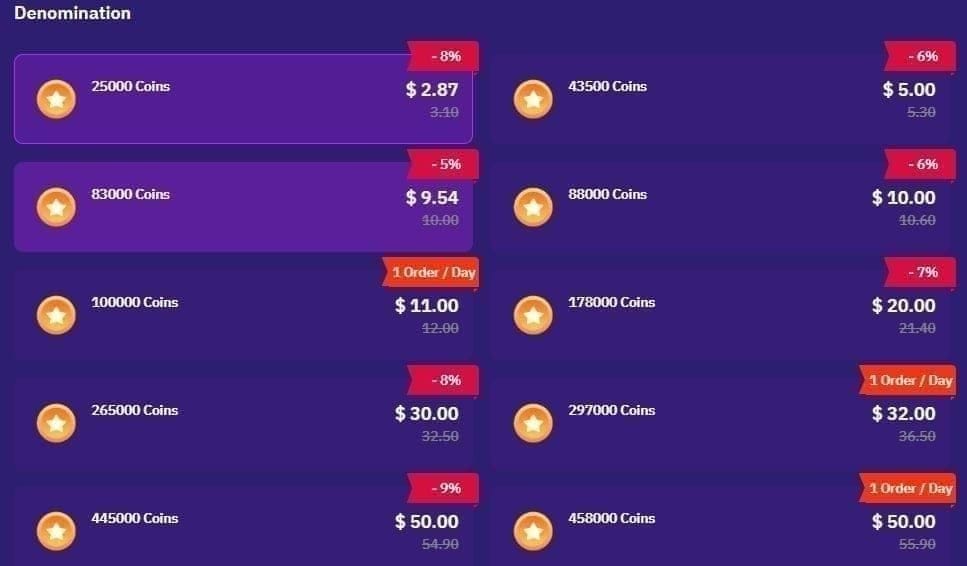
Of all the free-coin routes, referrals are the one I'd put weight on, and somehow everyone explains them badly. Bring in two friends and you can pocket 10,000 free coins, per TOPUPlive, with the tiers climbing from a 10%-off coupon at a single invite all the way to 25,000 free coins plus VIP perks once you've pulled in five or more.
| Friends invited |
Reward |
| 1 |
10% off coupon (up to $10) |
| 2 |
10,000 free coins |
| 3 |
10% off coupon (up to $20) |
| 5+ |
25,000 free coins + VIP perks |
Source: TOPUPlive Poppo recharge page (2026)
Now the mechanic nobody flags, the one that quietly wrecks people: those referral coins usually stay locked until the invited friend completes their first recharge. Signup alone pays nothing. They have to actually do something first. So if you "invited two friends" last week and your balance hasn't budged, that isn't broken. That's the gate doing its job. A few platforms also wave a new-user sweetener in front of you, up to 9,468 free coins on a first $1 top-up by the same figures, which only triggers after that initial recharge clears.
Execution:
- Pull your referral link from the app or the top-up platform.
- Send it to people who'll genuinely use Poppo, not some dead group chat.
- Warn them the bonus needs that first action to unlock. Set the expectation up front.
- Check your balance after they recharge, not after they install.
It works when you've got two or three people who are actually curious about the app. It fails the moment you treat it as a solo grind, because there's no clever workaround for needing real invitees who follow through.
Play 3: Your daily login loop is the real "code list"
Zero-spend? Then your routine is the closest thing to a code list you'll ever get. For an F2P viewer the coin sources that genuinely exist are daily tasks, treasure boxes, lucky gifts, referrals, and timed events, per the free-coin community video guides going around in 2026, and redeem codes are pointedly absent from that lineup. Nobody's sitting on a secret string for you. The in-app loop is the system.
One trap buried in here drains people. Some event rewards arrive as time-limited coins that vanish if you don't spend them, unlike purchased coins that just sit in your wallet forever. I've seen folks stockpile event coins "for a big gift later" and watch the clock eat them. If a drop carries a timestamp, use it inside the window. Gift it. Don't bank it.
No calendar worth pointing you toward lists upcoming redeem-code events, because they aren't a thing here. What recurs instead are seasonal top-up promos and the live in-app events the top-up platform guides flag. So quit waiting on a code drop that isn't scheduled and work whatever's already running.
Logging in consistently and torching the time-limited rewards fast is what makes this pay. Skip days, let the expiring stuff evaporate, and you've thrown coins away for nothing.
Play 4: How to spot a generator scam before it eats your account
Every site dangling unlimited free coins through a "generator" is a scam, and the danger here isn't hypothetical. Feeding your login into a fake coin-generator page is the documented route to account hijacking, flagged across the top-up safety guides and YouTube walkthroughs in 2026. These tools don't mint coins. They scrape logins, loop you through "human verification" funnels that dump you into ad fraud or malware installs, and hand you back a compromised account.
The tells stay consistent. Watch for:
- "Human verification" before anything appears. Real rewards never hide behind a survey or app-install wall.
- A login or password field on a third-party page. No legitimate coin source needs your Poppo password. Top-up platforms ask for your user ID only, never the password.
- Promised totals that don't exist. "999,999 free coins" is pure bait; the real referral ceiling caps in the tens of thousands.
- Countdown timers and "only 3 left." Manufactured pressure to short-circuit your thinking.
Some people still ask whether any generator is ever safe. It isn't, and the evidence only points one way. A handful of YouTube videos toss "possible codes" into the same bucket as legitimate free-coin methods, but cross-check them against the official site and the search results and you surface no verifiable codes and no safe generator. The security risk swamps any imagined payoff, every single time.
Treat any password prompt outside the official app as your cue to leave and you're fine. Type your credentials somewhere "just to try," though, and that's the entire attack landing on you.
Play 5: Run the top-up numbers so you're not overpaying
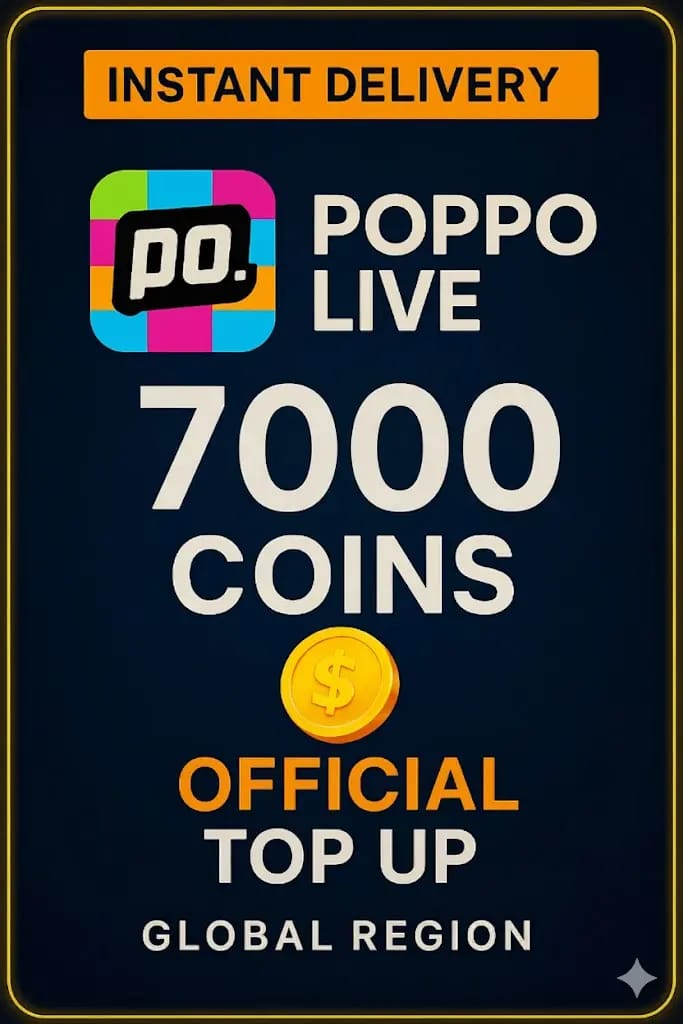
When the codes turn up empty and you actually want coins, the value question is dead simple, and the figures are right there in the open. On Codashop's US page as of June 2026, the entry pack runs 7,000 coins for $0.85, scaling up cleanly from there.
| Package |
Price (USD) |
Coins |
| 7,000 Coins |
$0.85 |
7,000 |
| 21,000 Coins |
$2.30 |
21,000 |
| 35,000 Coins |
$3.80 |
35,000 |
| 70,000 Coins |
$7.60 |
70,000 |
Source: Codashop Poppo Live USA page (2026-06)
That pencils out to roughly $0.000121 per coin at the entry tier, and the rate holds close to flat as the packs grow, so the bigger bundles don't gouge you, but they barely reward bulk-buying either. Community price trackers point out third-party top-up channels often land 15–28% cheaper per coin than the official-style rates, and casual gifters who time it right can grab promo discounts up to around 25%. The first time I lined the entry pack up against an evening of code-hunting, the comparison ended the argument: spending a night chasing phantom strings to maybe save under a dollar is a lousy trade. A small verified recharge is quicker, safer, and it actually shows up.
There's a hidden quirk worth knowing here too. Third-party vouchers (from sellers like SEAGM) don't redeem inside the app the way an event code would. You enter the voucher plus your user ID on the seller's own redeem page, and the coins post to your account from there. Different flow than the in-app wallet entirely, and mixing the two up is exactly why someone swears a perfectly good voucher is "broken."
If you'd already budgeted to spend and want a transparent option (disclosure, I work in this space), VGTopup runs a straightforward Poppo Live Coins top up by user ID. Only worth a glance if recharging was on your list to begin with.
Execution:
- Open your Poppo profile and copy-paste your user ID. Don't retype it.
- Pick a pack that fits what you'll actually gift, not the fattest one on the page.
- Punch in the ID, confirm, then check your balance in-app.
- Hold onto the receipt until the coins land.
Done right, top-up is a deliberate small purchase and nothing more. Done in a panic, you end up holding a 70,000 pack you'll never gift your way through.
When a real code or voucher won't redeem
Say you do land a legitimate event code or a purchased voucher and it spits an error. The culprit is almost never the code. Three things quietly break redemptions:
- Wrong user ID. This is the cruel one. Enter the wrong ID at top-up and the coins land in a stranger's account, permanently, with no recall button anywhere. Always copy-paste your ID straight out of the app's settings. Never trust your memory on it.
- Region or account-age gates. Some rewards silently die on accounts that miss a regional or age threshold, and they surface as a flat "invalid code" rather than an honest "you don't qualify."
- Typos, whitespace, and case. A trailing space dragged in from a chat message, or a lowercase letter where the code wants uppercase, is enough to bounce a valid string.
If a voucher specifically refuses to post, confirm you're redeeming it on the seller's page with your user ID, not hunting for an in-app field that doesn't exist for that voucher type. Confusing those two flows is the most common "expired code" gripe that turns out to be plain user error.
Frequently Asked Questions
Does Poppo Live actually have official redeem codes?
No public catalog of them exists for 2026. The app runs on top-up by user ID and in-app rewards, and a sweep of the official channels turns up no statement announcing any gift-code program. A genuine "code" would only ever come from a specific host giveaway or event, not some master list posted online.
Are the Poppo Live free coins codes I see on listicles real?
Treat them as fabricated until proven otherwise. The practical share of fake or expired entries in those public lists is effectively 100% by community consensus, and the scrambled mixed-case strings are a spam signature, nothing more. The free coins that are real come from referrals and events, not pasted text.
Will a coin generator ban or hijack my account?
Generators don't make coins, they harvest logins. Feeding your credentials into one is a documented account-hijacking risk per the top-up safety guides. Remember the split: legitimate top-up only ever wants your user ID, never your password. Any site demanding a password outside the official app is the scam.
Why did my referral coins never show up?
Almost certainly the gate. Referral bonuses, like the 10,000 coins for two invites noted earlier, usually unlock only after your invited friend finishes their first recharge, not at signup. If they installed but never topped up, nothing's triggered yet. That's the design, not a glitch.
What's the cheapest legit way to just get coins now?
A small verified top-up. The entry pack is 7,000 coins for $0.85 on Codashop's US page (about $0.000121 per coin), and community trackers note third-party channels often run 15–28% cheaper per coin. Time a promo well and you might catch discounts up to roughly 25%, which beats hours lost to fake codes by a long way.





Comments