

MIGO Live: The Complete Guide to Voice Rooms, Live Streams, and Global Social Connection
Introduction & Quick Facts
MIGO Live is a social entertainment platform that bundles three popular formats — high‑definition live streaming, themed voice chat rooms, and embedded casual multiplayer games — into a single mobile app. Developed and operated by Singapore‑based MIGO TECHNOLOGY PTE. LTD., it has accumulated tens of millions of downloads across emerging markets and the wider global Android/iOS audience, with particularly strong communities in India, Indonesia, Brazil, the Middle East, and parts of East Asia. Where most social apps focus on a single mode of interaction (text messaging, photo sharing, or short video), MIGO Live is built around real‑time voice and video, which gives it a noticeably warmer, more immediate feel than feed‑based competitors.
The app's economy revolves around Gold, an in‑app currency used primarily to send virtual gifts during live streams and voice rooms. Gifts are not just cosmetic — they're the primary way viewers signal support, push hosts up trending lists, unlock host‑level perks, and participate in the social rituals that hold the community together. Understanding how Gold flows through the platform is therefore essential whether you join as a casual viewer, a host trying to grow a fan base, or a power user managing a multi‑seat voice room.
This guide covers everything from onboarding to advanced host strategy: what MIGO Live actually does, who it's built for, how the core features work, concrete tips for getting more out of voice rooms and streams, how Gold top‑ups fit into the experience, and answers to the questions new users ask most often. Everything here is written for the current global English build of the app.
| Field | Details |
|---|---|
| Product | MIGO Live |
| Publisher | MIGO TECHNOLOGY PTE. LTD. |
| Developer | MIGO TECHNOLOGY PTE. LTD. (Singapore) |
| Platform | Android, iOS |
| Region | Global |
| Genre | Social Networking / Live Streaming / Voice Chat |
| In‑App Currency | Gold (used for gifts and premium features) |
| Primary Languages | English, Arabic, Hindi, Indonesian, Portuguese, Spanish, Japanese, Korean, Simplified Chinese, Traditional Chinese, Russian, and more |
| Official Website | migo.live |
What is MIGO Live?
MIGO Live is best described as a "real‑time social entertainment app." Functionally, it sits at the intersection of three product categories that used to be separate: live‑streaming apps (think Bigo, Twitch‑style mobile broadcasting), voice‑chat / audio‑room apps (Clubhouse, Yalla, Discord stage channels), and lightweight casual mobile games (Ludo, UNO‑style party games, mini quizzes). Instead of choosing one of those experiences, MIGO Live blends them so that any social space inside the app can host conversation, performance, and play simultaneously.
The platform is designed for users who want spontaneous interaction with strangers and friends from other countries without the rigid structure of a dating app or the cold transactional feel of a marketplace. The most common use cases include people listening in on voice rooms after work to relax, hosts singing or chatting on camera for tips, friends gathering in private voice rooms to play Ludo or chess while talking, language learners practicing conversation with native speakers, and fans of K‑pop, cricket, anime, football, or specific music genres congregating in themed rooms organized around their interests.
People care about MIGO Live for a few practical reasons. First, it removes friction: you can go live with a single tap, join a voice room instantly without scheduling, and start a casual game from inside that same room — no separate installs, no link sharing. Second, the language and regional filters actually work, so an English speaker in the Philippines can quickly find rooms full of English speakers rather than getting matched into a Russian gaming room by accident. Third, the gift economy creates a low‑pressure way for viewers to reward content they enjoy and for hosts to earn meaningful income — both sides feel like the time they spend has tangible value. Finally, the moderation and safety tools (mute, kick, block, report, room password) give room owners enough control to keep their spaces civil.
It's not for everyone. If you prefer asynchronous feeds, polished produced video, or text‑first communities, you'll find MIGO Live noisy. If you want professional‑grade streaming production with overlays, donation queues, and multi‑bitrate transcoding, dedicated PC streaming software paired with Twitch or YouTube Live will serve you better. But for casual, social, real‑time connection on a phone, MIGO Live is one of the most feature‑complete options available in the global market.
Core Gameplay / Features
MIGO Live's feature surface is wider than most social apps. The headline systems are:
- One‑tap HD live streaming — broadcast singing, dancing, chatting, gaming, cooking, or outdoor vlogs in portrait or landscape from your phone.
- Multi‑seat voice chat rooms — typically 8–9 mic seats plus unlimited listeners, with room owner controls for inviting, muting, locking seats, and kicking.
- Private 1‑on‑1 voice and video calls — direct calls between matched users, often used for language practice or making new friends.
- Themed room categories — discoverable rooms tagged by topic (music, gaming, dating, chill, study, language exchange, sports) and language.
- Embedded casual games — Ludo, UNO‑style card games, chess/draughts variants, dice games, prediction games, and party mini‑games that run inside a voice room so the whole table can play and talk.
- Gold‑powered virtual gifts — animated gift effects ranging from a few Gold (roses, hearts, small icons) to thousands of Gold (large screen‑filling animations like castles, sports cars, dragons).
- Host leveling and viewer leveling — both sides have XP curves tied to time spent, gifts sent, and gifts received, unlocking badges, name colors, entrance effects, and access to exclusive rooms.
- Family / Agency systems — guilds where multiple hosts and supporters band together, share rewards, and run group events.
- Top‑lists and trending boards — daily, weekly, and monthly leaderboards by region for top hosts, top gifters, and top rooms, which drive visibility.
- In‑app events and seasonal campaigns — regular festivals (Eid, Diwali, Lunar New Year, Christmas, anniversary events) with limited gifts, themed frames, and ranking competitions.
- Robust moderation tools — mute, kick, ban, room password, age‑gated entry, reporting flows, and human moderation teams.
- Multi‑language UI and auto‑translation hints for cross‑border chat.
Voice Rooms in Depth
Voice rooms are the heart of MIGO Live for most users outside of pure streaming fans. A typical room has one owner ("host"), several mic seats, and listeners who join silently. The owner sets the room name, cover image, topic tag, language, and password (if private). They can lock or open seats, hand the mic to specific listeners, mute someone temporarily, or remove them entirely. Co‑hosts can be appointed to share moderation duties — essential for large rooms that run 24/7.
The economy in a voice room runs on two intertwined loops. On the social side, listeners come for the conversation and the personalities on the mics. On the economic side, gifters compete to sponsor hosts they like, which puts the room on trending lists, which brings more listeners, which means more potential gifters. A good room owner manages both loops: keeping conversation lively so people stick around, and recognizing top gifters publicly so they feel valued and keep contributing.
Live Streaming in Depth
Live streaming on MIGO Live is closer in feel to Bigo Live than to Twitch. Streams are mobile‑first, mostly portrait, and lean heavily on direct interaction between the streamer and the chat. Beauty filters, stickers, AR masks, background music, and basic effects are built in. Streamers can run PK battles (1v1 timed gift competitions against another streamer, where the loser pays a small "punishment" — usually a silly forfeit on camera), which are one of the most reliable ways to attract viewers because both streamers' audiences see the battle.
Gifts during a stream produce on‑screen animations and accumulate "beans" or equivalent host points that convert into real‑world payouts for verified hosts, typically routed through an agency. The trending tab is heavily influenced by gift inflow in the last hour, so a coordinated burst of gifts from a small group of supporters can vault a stream from invisible to the top of the discover page.
Casual Games
The embedded casual games are the secret weapon for keeping rooms sticky. Ludo, in particular, is enormously popular among Indian, Pakistani, Bangladeshi, and Middle Eastern users; UNO‑style and dice games are popular almost everywhere. Because the games run inside a voice room, players can talk trash, laugh, and bond while playing — a much higher engagement state than silent matchmaking. Some games support small Gold bets between players, which adds stakes without requiring large wagers.
Gold and the Gift Economy
Gold is the only currency that matters day to day. You buy Gold via in‑app purchase, then spend it on gifts. Cheap gifts (a few Gold each) are used for quick reactions — clapping for someone who just finished a song, welcoming a friend who entered the room. Mid‑tier gifts cost a few hundred to a few thousand Gold and are used to mark a moment (a birthday, a PK win, hitting a follower milestone). Top‑tier gifts cost tens or hundreds of thousands of Gold each and trigger full‑screen animations that broadcast to every viewer; sending one is a public statement and almost always earns a shout‑out from the host.
| Gift Tier | Typical Gold Range | Use Case | Visibility |
|---|---|---|---|
| Micro | 1 – 50 Gold | Quick reactions, "hi" gifts, polite acknowledgments | Small icon in chat |
| Standard | 50 – 1,000 Gold | Daily support, thanking a host for a song or joke | Animated overlay |
| Premium | 1,000 – 20,000 Gold | Marking moments, PK boosts, helping a host win a battle | Large room‑wide animation |
| Luxury | 20,000+ Gold | VIP statements, anniversary gifts, top‑gifter ranking pushes | Full‑screen cinematic + name highlight |
Levels, Badges, and Status
Both hosts and viewers level up. Host level is driven primarily by received gift value plus streaming time and engagement metrics; viewer ("wealth" or "charm") level is driven by gifts sent. Higher levels unlock cosmetic perks: glowing name tags, custom entrance effects when you join a room, exclusive frames around your avatar, access to higher‑tier rooms, and priority placement in viewer lists. These cosmetics are status symbols — high‑level viewers entering a room visibly affect the social temperature, much like a high roller walking into a casino.
Families and Agencies
Serious hosts almost always join a Family (sometimes called an Agency). Families pool resources, share streaming tips, coordinate gift‑sending to push members up leaderboards, and negotiate higher revenue splits with the platform. For viewers, joining a Family means a stable social group, shared chat groups outside the app, and access to private Family rooms.
Safety and Moderation
Reporting is one tap from any user profile or room. Common report categories include harassment, sexual content, scams, and underage users. Room owners can set passwords for private rooms, restrict seat access to followers only, and ban repeat offenders. MIGO operates moderation teams that review reports and apply graduated penalties (warnings, temporary mutes, room shutdowns, account bans). As with any large social platform, the system isn't perfect, but the tools available to ordinary users to protect themselves are genuinely useful.
Pro Tips & Strategy
Beginner
- Complete your profile before joining rooms. A blank avatar and default username signal a bot or troll account, and many room owners will mute or kick you on sight. Add a clear photo, a short bio, your country flag, and your spoken languages — this alone dramatically improves how people respond to you.
- Spend your first week as a listener, not a talker. Sit in 5–10 different rooms on different topics. You'll learn the unwritten etiquette of each community (greeting rituals, gift expectations, taboo topics) far faster than by jumping on a mic and improvising.
- Use the language filter aggressively. The global discover tab is a firehose. Filter to your language plus one or two you're comfortable in, otherwise you'll waste time bouncing in and out of rooms where you can't follow the conversation.
- Greet the host by name when you enter a busy room. A single "hi [host name]" in chat or on mic is the most efficient way to get noticed without coming across as needy.
- Don't send big gifts on day one. New accounts that immediately drop luxury gifts often get flagged as alt accounts of someone trying to game leaderboards, and the host may suspect you're trying to buy attention rather than build a relationship. Start with small gifts and build presence first.
- Top up Gold in the size that matches your usage. Large packages typically offer better Gold‑per‑dollar value, but if you only intend to be a casual gifter, a smaller package is plenty. Buying too much Gold up front leads to overspending in the heat of a PK battle.
Intermediate
- Pick one home room and become a regular. Familiar viewers get treated better than strangers — better welcomes, more mic time, occasional free gifts back. Loyalty compounds.
- Time your gifts for maximum impact. A 1,000‑Gold gift sent during a quiet moment lands much harder than the same gift lost in the noise of a PK climax. Hosts remember well‑timed support.
- Learn the PK system before participating. When two streamers PK, the loser typically performs a small forfeit. Don't gift heavily for a streamer you don't know — your Gold pushes their bar, but you get no relationship benefit if you never come back.
- Use entrance effects strategically. Saving up for a flashy entrance effect is more cost‑effective than constantly buying mid‑tier gifts if your goal is being recognized. One persistent piece of identity beats dozens of fleeting gifts.
- Mute on mic when you're not speaking. Background noise (TV, family, traffic, keyboard) is the fastest way to get demoted off the mic seat. Press to mute reflexively.
- Build a small co‑host group. If you start hosting your own rooms, recruit two or three reliable friends who can co‑host, fill seats during slow hours, and keep conversation flowing when you need a break.
Advanced
- Track your top gifters and reward retention. Keep a private note of who gifts you most each week and reciprocate publicly — birthday shout‑outs, special hellos, dedicated songs. Retention of top supporters is worth more than chasing new ones.
- Schedule streams consistently. Casual hosts stream whenever they feel like it; growing hosts stream at the same times daily. Your audience needs to know when to show up, otherwise they'll find another host who's predictable.
- Join a Family that matches your goals. Pure social Families are great for casual fun but offer little career support. Performance‑focused Families have tougher quotas (minimum streaming hours, minimum monthly gift inflow) but provide coaching, traffic, and better revenue splits. Pick deliberately.
- Run themed nights. A Tuesday karaoke night, a Friday Ludo tournament, a Sunday confession room — recurring themes give your room an identity beyond your personality. Themed rooms also trend more easily because the platform's discovery algorithm rewards engaged, on‑topic communities.
- Cross‑promote with one or two PK partners. Find another host of similar size and PK them regularly. Each PK exposes you to their audience and vice versa. Avoid PKing hosts much larger than you unless they've explicitly agreed to a friendly format — you'll get crushed and your supporters will burn Gold for no return.
- Audit your time, not just your earnings. Hosts who measure success only in Gold burn out. Track hours streamed per week and force a rest day. The platform rewards consistency, but consistency for 12 months requires sustainable pacing.
Editions, Packages, and Currency
MIGO Live is free to download and free to use as a listener and basic chatter. Almost all monetization runs through Gold packages and a few optional cosmetic bundles. There are no traditional "editions" of the app — global users get the same build — but there are several types of paid items worth distinguishing.
| Item Type | What It Does | Typical Spender |
|---|---|---|
| Gold packages | Direct top‑up of in‑app currency for sending gifts | Everyone who interacts beyond listening |
| VIP / Noble subscriptions | Monthly perks — special badge, entrance effect, mount, room privileges | Frequent gifters who want permanent status |
| Frame and avatar bundles | Cosmetic borders, animated avatars, profile decorations | Identity‑focused users, top‑level viewers |
| Event packs | Limited‑time bundles tied to seasonal campaigns, often with bonus Gold | Promo hunters, event ranking competitors |
| Mount / entrance effects | One‑time purchase or limited rental of dramatic entrance animations | Status‑conscious viewers, top‑tier supporters |
Prices for Gold vary by region (Google Play and the App Store localize pricing), but the per‑Gold rate is generally better in the largest packages. Note that some Noble/VIP tiers grant a recurring monthly Gold stipend, which can make them more efficient than ad‑hoc top‑ups if you gift heavily and consistently.
Top‑Up & Recharge
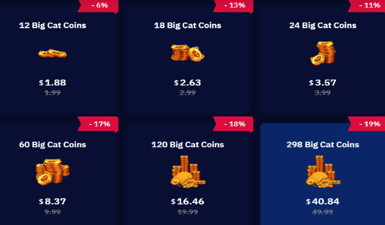
Most users top up MIGO Live Gold directly inside the app through Google Play (Android) or the App Store (iOS) using whatever payment method is linked to their account — credit/debit card, carrier billing, gift card balance, or regional wallets like UPI, GoPay, OVO, GCash, or local prepaid vouchers depending on where they live. Inside the app, tap your profile, open the wallet or Gold section, and pick a package; the purchase clears in seconds and Gold is credited immediately. Third‑party top‑up sites are popular because they sometimes offer better rates, faster delivery on bulk orders, or alternative payment methods not supported by the official store in certain regions. Our site offers MIGO Live Gold top‑up / recharge for players who prefer that route. You can always check your current Gold balance and transaction history in the app's wallet screen, and you should keep your MIGO Live ID handy — it's the only thing a top‑up service needs to credit your account.
FAQ
Is MIGO Live free to use? Yes. Downloading and using the app — including joining voice rooms, watching live streams, chatting, and playing many of the casual games — is free. Spending Gold on gifts is optional, and you can have a full social experience as a listener without ever buying Gold.
What is Gold used for exactly? Gold is the in‑app currency. It's used primarily to send virtual gifts to hosts and friends during streams and voice rooms, but it also unlocks some entrance effects, cosmetic frames, mounts, and seasonal event items.
Can hosts actually earn real money on MIGO Live? Yes. Verified hosts, typically through a Family or Agency partnership, receive a share of the value of gifts they receive, paid out through the platform's host program. Casual hosts who haven't completed verification or aren't part of an agency generally cannot withdraw earnings.
How old do I need to be to use MIGO Live? The platform requires users to meet local minimum age requirements for social apps, generally 18+ in most regions, with stricter enforcement on streaming. Underage accounts are subject to removal.
Is it safe to share my real identity? You don't need to. Most users go by a nickname and don't share their full name, home address, workplace, or financial details. Treat MIGO Live like any open social platform — pleasant strangers, but strangers. Use block and report freely, and never send money or gift cards to anyone you've met only in the app.
Why was I muted or kicked from a room? Room owners and co‑hosts have full control over their space. Common reasons include background noise, going off‑topic in a themed room, breaking room rules in the description, low‑level accounts in VIP‑only rooms, or simply not matching the vibe. It's rarely personal — find another room.
What happens to my Gold if I uninstall the app? Gold is tied to your account, not the device. Reinstall the app, log back in with the same login method (phone number, Facebook, Google, Apple), and your Gold balance returns. Don't create a new account "to start fresh" if you have Gold — you'll lose access to the balance unless you log back into the original account.
Can I use MIGO Live on PC? There's no officially supported desktop client. Some users run the Android app through emulators like BlueStacks for chatting and listening, but live streaming from an emulator is generally discouraged because of audio quality issues and potential terms‑of‑service concerns.
Do PK battles cost me money? Only if you gift during one. Watching a PK is free. The point of a PK is that each streamer's fans send gifts to push their bar higher, and the higher bar wins. You're never required to participate; many viewers just watch.
How do I report someone for harassment or a scam? Tap their avatar to open their profile, hit the menu (three dots, typically), and choose Report. Pick the closest category and add a short note. For active in‑room harassment, room owners can mute or kick immediately while the platform reviews the report.
Why does the trending list change so fast? Trending is heavily weighted toward recent activity — gifts in the last hour, sudden viewer surges, active PK battles. A room that's red‑hot at 9 PM may be empty at 11 PM. This rewards consistency over single big nights.
Does MIGO Live work well on slow connections? Voice rooms work surprisingly well on 3G/4G because audio bandwidth is low. HD live streaming, especially watching multiple streams in quick succession, eats more data. If you're on a limited plan, stick to voice rooms and audio‑only modes where available.
Verdict
MIGO Live is one of the most polished real‑time social entertainment apps available globally on mobile, and it shines specifically for users who want voice‑first, cross‑border, low‑friction interaction without committing to a single rigid format. The blend of streaming, voice rooms, and embedded casual games means a single session can swing from listening to a stranger sing in Hindi, to joining a Ludo table with friends in Indonesia, to watching a high‑stakes PK battle between two of the platform's top streamers — all without leaving the app. The Gold economy is transparent, the gift tiers create genuine social rituals rather than pure pay‑to‑win mechanics, and the moderation tools are sufficient for users who exercise normal caution.
It's the right app for: people who enjoy real‑time conversation, hosts looking for a credible mobile streaming platform with a path to monetization through Families, casual gamers who want voice chat baked into their card and board games, and anyone interested in cross‑cultural socializing with users from South Asia, Southeast Asia, the Middle East, and Latin America. It's the wrong app for: users who prefer text‑first or feed‑first social media, those uncomfortable with virtual gifting culture, and anyone seeking professional broadcast production tools. If those caveats don't apply to you, MIGO Live earns a spot among the strongest options in its category — check the official site at migo.live for the latest app links, and start as a listener for a week before deciding how deep you want to go.