
Tarisland: The Complete Cross-Platform MMORPG Guide for PC and Mobile Adventurers
Introduction & Quick Facts
Tarisland is a free-to-play, cross-platform MMORPG published by Level Infinite and developed by Locojoy Games, designed to bring traditional theme-park MMO depth to both desktop and mobile audiences simultaneously. Launched globally in mid-2024 after an extended beta cycle, the title positions itself as a modern alternative to long-running Western MMOs while embracing the production polish and accessibility expected from Tencent-affiliated mobile releases. It offers a single global server cluster experience with cross-progression, meaning your character on PC is the same character on iPhone or Android.
The game's identity rests on three pillars: nine fully realized classes with dual specializations, raid-and-dungeon focused PvE endgame across multiple difficulty tiers, and a deliberate refusal to include auto-combat or auto-pathing systems that dominate many mobile MMOs. Players engage with manual rotations, tab-targeting, dodge mechanics, and gear optimization in a way that genuinely echoes the World of Warcraft lineage rather than the auto-battler trend of the Asian mobile market. Seasonal content drops, world bosses, profession crafting, mount collection, and a robust transmog system flesh out the long-term progression loop.
If you are looking to recharge Crystals, top up battle pass tiers, or buy mount and outfit bundles, the official Tarisland portal supported by Level Infinite is the publisher-facing reference point — and the Level Infinite official website lists Tarisland among its flagship live-service titles.
| Field | Details |
|---|---|
| Title | Tarisland |
| Publisher | Level Infinite |
| Developer | Locojoy Games |
| Platform | PC (Windows), Android, iOS |
| Region | Global |
| Genre | MMORPG (Theme-park, PvE-focused with PvP modes) |
| Business Model | Free-to-play with cosmetic and convenience monetization |
| Languages | English, Japanese, Korean, Traditional Chinese, Arabic, German, French, Spanish, Portuguese |
| Primary Currency | Crystals (premium), Gold (in-game) |
| Official Website | levelinfinite.com |
What is Tarisland?
Tarisland is a fantasy MMORPG set in a sprawling continent of the same name, a world where fragments of forgotten god-civilizations, dragonkin politics, demonic incursions, and arcane disasters intersect across multiple thematic biomes. The narrative follows the awakening of an ancient power and the player's role as one of the adventurers shaping the continent's response. Story is delivered through fully voiced cinematics, branching side quests, environmental clues, and codex entries unlocked through exploration, with regions including pastoral kingdoms, undead-haunted forests, mechanical dwarven holdfasts, sun-scorched deserts, and elemental temples.
Mechanically, Tarisland is a theme-park MMO. That means content is curated rather than emergent: you progress through a designed leveling experience, hit max level, and then engage with a structured endgame consisting of dungeons, raids, world events, profession progression, PvP arenas, and seasonal rotational content. The game inherits much of its design vocabulary from classic World of Warcraft — global cooldowns, threat-based tanking, healer triage, interrupt windows, and boss mechanics built around positioning and timing. Where it diverges is in delivery: full mobile support with reworked control schemes, condensed quest pacing, and a more aggressive use of seasons and battle passes to chunk content into digestible blocks.
The audience splits across three broad groups. First, lapsed or current WoW players curious about a mobile-friendly alternative that doesn't compromise on raid mechanics. Second, mobile MMO veterans (Black Desert Mobile, Lineage 2M, Diablo Immortal) drawn by the promise of less aggressive monetization and no auto-play. Third, cross-platform commuters who want to push dailies on phone during the day and join their guild raid from PC at night. The cross-progression and identical feature parity across platforms is the single largest selling point for that third group, and it remains one of the few MMOs where a serious raider can legitimately split sessions between devices.
Why people care comes down to scarcity. The MMORPG genre on mobile is saturated with auto-play loot funnels, while the PC MMO space has stagnated around aging titles. Tarisland slots into a real gap, offering grouped raid content, healer/tank/DPS trinity gameplay, and meaningful gear progression on hardware that fits in your pocket. Whether it sustains that promise long-term depends on update cadence and balance, but as of its global launch and ongoing season cycle, it stands as one of the most ambitious cross-platform MMO attempts to date.
Core Gameplay & Features
- Nine classes with dual specializations — each class offers two distinct roles or playstyles, effectively giving 18 viable builds without rerolling characters.
- Trinity combat system — tanks, healers, and DPS each have defined responsibilities, and group content cannot be brute-forced without proper composition.
- Manual targeting and active rotations — no auto-attack, no auto-skill, no auto-path; every ability is keyed manually with cooldown management.
- Dungeons across normal, hard, and legendary tiers — gear-tiered difficulty progression where mechanics expand and damage checks scale.
- Raids with multiple difficulty modes — flagship 10-player encounters with normal and hard difficulty, plus weekly lockouts and gear progression.
- Open world with traversal, climbing, and gliding — verticality is a real factor; many secrets and treasure chests require platforming.
- Profession system — gathering professions (mining, herbalism, fishing, skinning) and crafting professions (alchemy, cooking, blacksmithing, tailoring, jewelcrafting, engineering analogs) feed gear and consumables.
- Mounts, pets, and cosmetic transmog — a deep collection layer with hundreds of mounts and outfit pieces obtainable via achievements, drops, events, and the shop.
- PvP arena and battlegrounds — structured PvP with ranked tiers, separate balance tuning, and seasonal cosmetic rewards.
- Cross-server world bosses and dynamic events — large-scale public encounters that pull players from multiple shards into shared instances.
- Battle pass and seasonal content cycles — typically running on a multi-week cadence with cosmetic and resource rewards.
- Cross-platform identical accounts — your character, inventory, friends list, and guild membership persist across PC and mobile seamlessly.
Combat Depth and Class Identity
The combat foundation is tab-target with action elements layered on top. You select a target, your abilities snap to it, and most skills require facing and range. On top of that base, classes have movement abilities, dodge rolls, frontal cones, and ground-targeted AoEs that demand spatial awareness. Boss fights frequently introduce stack-spread mechanics, interrupt timings, debuff cleansing, and positional adds — vocabulary any raid veteran will recognize.
Each class has a primary resource and a rotation logic that rewards mastery. The Warrior, for example, builds rage through autos and basic strikes and dumps it into burst windows. The Mage juggles Frost and Fire schools depending on spec, with proc chains and resource interplay. The Bard, a fan-favorite support, weaves songs and chord-based buffs that overlap with healing or damage depending on whether the player runs Healer or DPS spec. Each class also has unique utility — battle resurrections on certain healers, stealth and burst on the Shadow Swordsman, mobility on the Ranger — that influences group composition decisions.
Progression Structure
Leveling takes most players 20–40 hours depending on engagement with side content. The main story carries you through every major zone at a pace designed to introduce mechanics gradually: first solo questing, then small group dungeons, then larger 5-player content. Once you hit max level, the gear treadmill begins through three layers — dungeon gear (hard and legendary tiers), raid gear, and crafted gear with augments. Combat Score is the unified metric that gates content; you'll need to clear lower tiers to unlock higher ones, and the game gates legendary dungeons behind weekly progression checks rather than letting you no-life through everything at once.
Endgame loops weekly. Raid lockouts reset on a fixed day, dungeon weekly quests rotate, profession dailies refresh, and PvP seasonal ranks tick. The economy revolves around gold for consumables and repair, with Crystals reserved for cosmetics, convenience boosts, and battle pass tiers.
World, Lore, and Exploration
Tarisland's world is divided into themed regions tied to factions and mythology. Vidrl is a green starter kingdom shaped by classic Western fantasy tropes. Wailing Cave introduces darker undead-themed content. Later zones lean into mechanical engineering aesthetics, desert nomad cultures, dragon-haunted highlands, and underworld instances. Each region has its own questlines, faction reputations, world quests, and rare elite spawns that drop unique cosmetics or mounts.
Exploration is encouraged through achievements, hidden chests, jumping puzzles, climbing-only viewpoints, and lore tomes scattered across the landscape. Mounts and gliders speed traversal, and certain mounts are aquatic or flying, opening shortcuts. Treasure hunting via maps purchased or dropped is a soft secondary loop that rewards thorough zone coverage.
Class Roster
| Class | Roles Available | Key Trait |
|---|---|---|
| Warrior | Tank / DPS (2H melee) | Rage-based, frontline durability with strong cleave |
| Paladin | Tank / Healer | Holy-themed hybrid with strong cooldown stacking |
| Ranger | DPS (ranged bow) | Sustained ranged damage, pet utility |
| Barbarian | DPS (2H melee) | High burst, low survivability, execute-heavy rotation |
| Bard | Healer / DPS support | Song-based group buffs and AoE healing |
| Priest | Healer / DPS | Pure healing or shadow-style DPS spec |
| Mage | DPS (Frost / Fire) | Caster nuke with two distinct damage schools |
| Shadow Swordsman | DPS (melee assassin) | Stealth burst with positional bonus damage |
| Sorceress | DPS / Healer (lightning / nature) | Elemental versatility with strong utility |
Pro Tips & Strategy
Beginner Tier (Levels 1–30 and Early Max Level)
- Pick a class based on role, not aesthetics. If you want fast queues for dungeons, roll Tank (Warrior or Paladin) or Healer (Priest, Bard, Paladin Holy, Sorceress restoration). DPS queues at max level can run 15–25 minutes, while tanks pop nearly instantly.
- Finish the main story before chasing side content. The main quest unlocks features in a deliberate order — profession trainers, mount, gliding, dungeon finder. Sidetracking too early leaves you under-leveled for narrative gates.
- Lock in your dual spec early. You can swap specs but doing so resets some talent points and gear stat priorities. Decide whether you prefer your class's primary or secondary role and gear accordingly from level 20 onward.
- Pick up at least one gathering profession by level 15. Mining or herbalism funds your early gold needs, and material prices on the auction house spike around new patch resets.
- Don't sell green-quality gear blindly. Many low-rarity items disenchant into materials needed for enchanting or upgrade systems. Check the salvage option before vendoring.
- Complete daily login rewards and the free battle pass track. These give Crystals, gold, EXP boosts, and mount tokens that compound over weeks at zero cost.
Intermediate Tier (Max Level Through First Raid Tier)
- Master your interrupt and dispel keybinds. Hard mode dungeons aggressively punish missed interrupts. Bind your kick or silence to a comfortable key (typically Q, E, or a mouse side button) and your dispel separately. Mobile players should pin both to easily reachable touch slots.
- Cap weekly Combat Score progression sources. Each week offers a limited number of guaranteed gear sources — dungeon weekly quests, raid clears, PvP capstone, world boss kills. Missing any of these slows your gearing significantly.
- Slot stat priorities correctly. Every spec has a stat weight order (e.g., crit > haste > mastery for many DPS specs, or versatility > crit for tanks). Reforge or enchant accordingly rather than just chasing item level.
- Join a guild before pugging raids. Guild groups have voice chat, consistent comp, and shared loot priority. Pugs work but are noticeably slower to clear and far more prone to disbanding mid-attempt.
- Stockpile consumables before raid night. Flask analogs, food buffs, weapon oils, and combat potions provide meaningful percentage damage and healing boosts. Hard mode bosses often die on margin checks where consumables make the difference.
- Run hard mode dungeons in premade groups. Random matchmaking for hard mode is feasible but inconsistent. A premade with one tank, one healer, and three DPS clears in 15–25 minutes versus 40+ for a struggling random group.
Advanced Tier (Hard Mode Raiding, PvP Ladder, Legendary Tier)
- Plan cooldown rotations as a raid team. Tank externals, healer raid cooldowns, and DPS burst windows should be assigned to specific bosses and timed to specific mechanics. Spreadsheets and pinned guild posts beat improvisation.
- Optimize gem and enchant slots last, not first. Wait until you have your near-final gear pieces before sinking expensive enchants. Re-enchanting every upgrade is a gold sink that punishes greedy early investment.
- Track raid lockouts and weekly resets per character. Alts can run additional weekly content on shared currencies. If you have a second character at max level, weekly cap stacking is the fastest gearing route.
- In PvP, learn matchups individually. Each enemy class has a distinct burst window, kite pattern, and defensive cooldown timing. Memorize what to interrupt, what to dodge, and when to pop defensives matchup-by-matchup rather than playing generically.
- Profession-craft your BiS slots where possible. Several gear slots have crafted alternatives that match or exceed raid drops, especially early in a season. Investing in maxed professions pays dividends.
- Save mount/cosmetic Crystal purchases for sale windows. The shop rotates featured bundles, and battle pass periods often include discounted Crystal value. Buying impulse cosmetics outside these windows costs noticeably more per dollar of value.
Characters, Classes & Roles Deep Dive
Class selection in Tarisland matters more than in many MMOs because rerolling is genuinely costly — gear, profession progress, mount and cosmetic collections are character-bound for most items. Understanding what each class actually does in group content saves regret 80 hours in.
Tanks
Warrior (Tank spec) is the prototypical sword-and-board tank. High armor, strong active mitigation through shield blocks, decent threat generation, and reliable cooldown rotation. The skill ceiling is moderate — easy to play passably, hard to master because of how active mitigation overlaps with healer cooldowns. Best for beginners to tanking.
Paladin (Tank spec) trades raw mitigation for self-sustain and hybrid utility. Paladin tanks have stronger battle resurrection access, more group buffs, and can off-heal in emergencies. The trade-off is slightly weaker pure damage absorption against the hardest hits, requiring more proactive cooldown planning.
Healers
Priest (Holy/Restoration analog) is the heavy-hitting raid healer with the strongest single-target throughput and powerful AoE cooldowns. Mana-intensive at high difficulties, demanding tight efficiency play. Default pick for progression raid teams.
Paladin (Holy) offers a beacon-style smart heal where damage done converts to healing. Stronger in dungeon content and tank-focused healing, slightly weaker for pure raid AoE damage phases.
Bard (Healer spec) is the support-heavy option, layering songs that buff allies while passively healing. Output is lower than Priest, but the utility of group damage buffs frequently makes Bard a mandatory raid slot.
Sorceress (Healing spec) plays as a hybrid restoration caster with strong AoE healing through chained nature spells. Newer players sometimes underrate this spec because its mechanics differ from traditional healer kits.
Damage Dealers
Mage offers ranged caster DPS with two distinct schools. Fire is burst-heavy with ignite mechanics, Frost is sustained with control utility. Both compete for top DPS positions on different fight types.
Ranger delivers consistent ranged physical damage with strong mobility. Good for fights with heavy movement and an excellent learning class for new players because its rotation is forgiving.
Barbarian is the high-risk, high-reward melee DPS. Execute mechanics reward sub-30% phases massively, and burst windows can outpace most classes briefly. Survivability is weakest among DPS.
Shadow Swordsman plays as the stealth-burst assassin. Strong opener, positional bonuses on back attacks, and the ability to vanish-reset on certain mechanics make it a high-skill-ceiling pick for advanced players.
Warrior (DPS spec), Paladin (Retribution), and Priest (Shadow) round out hybrid DPS specs that won't typically top meters but offer survivability and group utility.
Game Modes Deep Dive
Dungeons
Dungeons run in 5-player groups (one tank, one healer, three DPS) across normal, hard, and legendary difficulty tiers. Normal mode is for leveling and basic catch-up gear. Hard mode introduces mechanic-heavy boss fights and gear-checking trash packs, and is the main weekly source of pre-raid gear. Legendary mode is endgame keystone-style content — bosses gain affixes, time pressure increases, and rewards include the highest-tier dungeon loot.
Raids
Raids are the social pinnacle. Typical raid size is 10 players, with normal and hard difficulties. Normal teaches mechanics with forgiving health and damage margins. Hard mode introduces additional mechanics, tighter execution windows, and higher numerical tuning. Loot is partly weekly-locked and partly per-boss, encouraging guild stability across multi-week clears.
PvP — Arena and Battlegrounds
Arena is small-scale (typically 3v3) with seasonal ranking, separate gear scaling, and a tightly tuned balance pass that differs from PvE balance. Battlegrounds are larger objective-based modes with multiple maps. Both feed into a seasonal cosmetic and currency track.
World Bosses
Tarisland uses both scheduled world bosses and dynamic spawns. Scheduled bosses appear at fixed times and pull dozens of players cross-shard. Loot includes mount and cosmetic drops that don't appear elsewhere, making world boss participation valuable beyond just gear.
Profession and Crafting
Professions split into gathering and crafting. You can carry multiple professions per character, but practical limits emerge based on time investment. Crafted gear competes with raid loot in select slots, particularly early in a content patch. Profession-locked recipes drop from raids and rare elites, giving crafters long-term goals.
| Mode | Group Size | Reset Cadence | Primary Reward |
|---|---|---|---|
| Story / Open World | Solo / Small | None | Story progression, base gear |
| Normal Dungeon | 5 | Daily | Catch-up gear, leveling mats |
| Hard Dungeon | 5 | Weekly quest cap | Pre-raid endgame gear |
| Legendary Dungeon | 5 | Weekly | Top dungeon-tier loot, mounts |
| Raid (Normal) | 10 | Weekly | Mid-tier raid gear, tier sets |
| Raid (Hard) | 10 | Weekly | Best raid gear, prestige mounts |
| Arena | 3v3 | Seasonal | PvP gear, cosmetic titles |
| Battleground | 10v10+ | Seasonal | PvP currency, transmog |
| World Boss | Open | Daily / Scheduled | Unique mounts, cosmetics |
| Profession Crafting | Solo | Continuous | BiS-tier crafted gear |
Currencies, Crystals, and Economy
Tarisland operates a multi-currency economy that rewards system literacy. Knowing what each currency does prevents wasting it on suboptimal purchases.
| Currency / Item | Source | Primary Use |
|---|---|---|
| Gold | World drops, quests, vendors | Repairs, consumables, auction house |
| Crystals | Real-money purchase | Cosmetics, battle pass, convenience |
| Bound Crystals | Battle pass, events | Limited shop purchases |
| Honor / PvP Tokens | Arena and battleground rewards | PvP gear and cosmetics |
| Raid Tokens | Weekly raid clears | Tier set upgrades, trinkets |
| Profession Materials | Gathering, dungeon drops | Crafting consumables and gear |
| Mount Tokens | Events, achievements | Specific mount unlocks |
| Battle Pass XP | Daily and weekly missions | Battle pass tier progression |
Crystals are the principal premium currency. They are used to purchase mount and outfit bundles, transmog appearances, battle pass tier skips, the premium battle pass track, name changes, and limited-time event entries. Crystals are not used to directly buy raid gear or power — Tarisland's monetization is consciously cosmetic-and-convenience focused rather than pay-to-win in the strict sense, though the convenience tier (XP boosts, inventory expansion, gathering speed) does provide a quality-of-life edge.
Bound Crystals are earned through gameplay and battle pass progression. They function like Crystals within a restricted subset of shop items, primarily limited-time and seasonal cosmetics, ensuring even free-to-play players can access some premium-style rewards.
Top-Up & Recharge
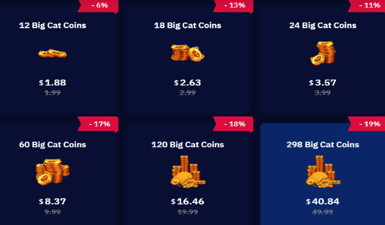
Most players top up Tarisland by purchasing Crystals directly through the in-game store, which routes through Google Play, the Apple App Store, or the PC client's payment portal depending on the platform. Mobile in-app purchases are convenient but typically carry a higher per-unit cost due to store fees, while PC and dedicated top-up channels often offer better effective value, especially during promotional periods.
Beyond direct Crystal purchases, the Premium Battle Pass and seasonal bundle packs are the most cost-efficient routes for active players, returning Crystals, cosmetics, and mounts at a discount versus à la carte buying. Watch for double-Crystal first-purchase bonuses on each tier — they only trigger once per Crystal pack size, so claiming the full ladder of first-purchase bonuses is meaningfully better than repeatedly buying the same pack.
Region-locked payment methods and store currencies can produce significant price differences, so reviewing the Crystal pack values before purchasing is worth a few minutes. Our site offers Tarisland top-up and recharge services as a convenient alternative to in-app billing.
FAQ
Is Tarisland actually free-to-play? Yes. The entire game — leveling, dungeons, raids, PvP, professions — is accessible without spending. Monetization is concentrated in cosmetics, the battle pass, and convenience items. You can clear hard mode raids without paying.
Is Tarisland pay-to-win? The strict answer is no — you cannot buy raid gear, PvP gear, or stat boosts that directly translate to combat power. The nuanced answer is that XP boosts, inventory upgrades, and gathering buffs offer a measurable convenience advantage that compounds over time. Competitive raiders and PvP players don't gain combat power from spending, but they do save time.
Does my PC character carry over to mobile? Yes. Tarisland uses unified accounts and shared cloud progression. Your character, inventory, achievements, friends list, guild membership, and battle pass progress are identical across platforms. You can switch devices mid-session.
How long does it take to reach max level? Most players hit max level in 20–40 hours of focused play. Casual players spread across side content and exploration may take 60+ hours. There are no major level-skip purchases, though XP boosts shorten the curve.
Which class should I play first? For new MMO players, Ranger (DPS) or Priest (Healer) offer the most forgiving rotations and broad utility. For instant dungeon queues, any Tank spec. For raid demand, healers and tanks are always in shorter supply than DPS.
Is there auto-combat or auto-questing? No. Tarisland deliberately excludes auto-play. All combat is manually targeted and skill-pressed. Quest paths are visible on the map but you must move your character yourself. This is one of the game's headline design decisions.
Can I solo most of the game? You can solo all leveling content and open-world activities. Dungeons require a group of five (matchmaking exists). Raids require ten coordinated players, typically through a guild. PvP is, obviously, group content.
How does the battle pass work? Each season runs for several weeks with a free track and a premium track unlocked by Crystals. Tiers are earned through daily and weekly missions, granting cosmetics, Crystals, mount tokens, and crafting materials. The premium track typically pays back more value than its purchase cost if completed.
What happens to my gear between seasons? Tarisland uses a content patch model rather than full ladder resets. Existing gear remains valid, but new content introduces higher item-level rewards that supersede previous tier. There's typically a catch-up mechanism so returning players aren't permanently behind.
Does Tarisland have guild content? Yes. Guilds participate in guild leveling, guild perks, shared chat and event scheduling, guild-vs-guild PvP modes, and large-scale world content. Joining an active guild is the single most impactful step for endgame engagement.
Are there hidden / collectible mounts? Many. Mounts drop from raid bosses (with low chances), achievement completions, world boss participation, profession reputation tiers, seasonal events, and the shop. Mount collection is a serious meta-game for completionists.
Does Tarisland support controller input on PC? Mobile UI supports touch, and the PC client supports keyboard-and-mouse natively. Controller support has been added or expanded over patches but is not the primary supported control scheme for raid-level content.
Verdict
Tarisland is the rare modern MMORPG that delivers on a genuinely difficult promise: bringing traditional theme-park raid content to mobile without auto-play shortcuts, while keeping a fully featured PC version on the same account. For players who want WoW-style mechanics — interrupt windows, healer triage, tank cooldown management, raid composition strategy — that they can engage with from a phone during commutes and from a desktop at night, no other current title competes directly.
It is the right game for lapsed MMO veterans who want raid content without the multi-year gear deficit of WoW or FFXIV, for mobile MMO refugees tired of auto-play loops, and for cross-platform players who value progression flexibility. The class roster is deep, raid mechanics are genuinely engaging, and the monetization, while present, does not block competitive participation.
It is the wrong game for players seeking open-world sandbox systems (EVE Online, Albion), action-combat MMOs (Black Desert, Lost Ark), or solo-player RPGs disguised as MMOs. The trinity-based theme-park structure is unmistakably old-school in design philosophy, and players who dislike scheduled raid nights, weekly lockouts, or interdependent group content will find it constraining.
For its core audience, though, Tarisland is one of the strongest MMORPG entries of recent years. The cross-platform engineering alone is genre-defining, and Level Infinite's continued seasonal support — visible on the Level Infinite official website and its store rotations — suggests the title is being treated as a long-term franchise rather than a quick mobile cash-in. Players investing time now will find a game that rewards class mastery, social investment, and the kind of long-horizon progression that defines the MMORPG genre at its best.