
Dragonheir: Silent Gods: The Complete Strategy RPG Guide to Heroes, Magichess, and the Open Multiverse
Introduction & Quick Facts
Dragonheir: Silent Gods is a free-to-play open-world strategy RPG developed for global audiences by Proxima Beta Pte. Limited, blending Western high fantasy with tabletop-inspired dice mechanics, auto-chess combat, and a true sandbox overworld. Launched cross-platform on PC (Steam) and mobile, the game positions itself as a thinking-player's gacha alternative — one where party composition, elemental resonance, talent stacking, and even narrative outcomes hinge on systems lifted from the pen-and-paper RPG tradition. It is one of the rare titles that successfully fuses hero collection economics with genuine exploration and emergent storytelling.
The product is designed for players who enjoy long-form strategy: deep team theorycrafting, Magichess board-state reading, dungeon delving, and reading lore-rich quests rather than auto-clicking through them. Veterans of Heroes of Might and Magic, Baldur's Gate, and the AFK Arena / Epic Seven family of collection RPGs will all find familiar pillars stitched together in a new shape. Production quality is high — animated 3D heroes, voiced dialogue, regular crossover events (including a Heroes of Might and Magic III collaboration), and a no-seasonal-reset philosophy that protects progression investment.
Below is a quick-reference card before we dive into mechanics, tier rosters, and Magichess theorycraft.
| Field | Detail |
|---|---|
| Title | Dragonheir: Silent Gods |
| Publisher | Proxima Beta Pte. Limited |
| Developer | SGRA Studio |
| Platform | PC (Steam), iOS, Android |
| Region | Global |
| Genre | Open-World Strategy RPG / Auto-Chess Hybrid / Hero Collector |
| Language | English, Japanese, Simplified & Traditional Chinese (audio); plus Russian subtitles |
| Monetization | Free-to-play with optional cosmetics, summon packs, and battle pass |
| Official Website | levelinfinite.com |
What is Dragonheir: Silent Gods?
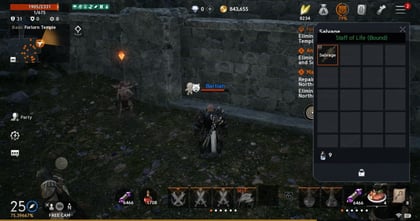
Dragonheir: Silent Gods is best described as three games stacked into one product. The first layer is a hero-collection gacha RPG, where you summon, level, and gear over 300 heroes across factions like Order of Truth, Dragon's Roar, Silent Brotherhood, Hammers of Glory, Lustrous Concord, and Whispers of Dawn. The second layer is Magichess, a 10-minute auto-chess mode where you place heroes on a shifting board and let combat resolve automatically based on positioning, faction bonds, school synergies, and elemental matchups. The third layer is a true open-world sandbox — broad zones (forests, deserts, archipelagos, underground passages) populated with side quests, hidden NPCs, dice-rolled skill checks, treasure chests, and procedural encounters that feel closer to Divinity: Original Sin than to a typical mobile RPG.
The target audience is the strategy-leaning collector. If you enjoy reading abilities carefully, calculating elemental triangle damage, slotting talent gems, and rerolling dice on a charisma check to talk your way out of a fight, this game rewards every minute. Conversely, if you want pure idle progression with no reading, Dragonheir's depth will feel like work. Players care about it because Proxima Beta committed to a multiversal saga structure: each "Mystic Realm" is a self-contained world with its own quests, but your hero roster, Resonance Level, and core account progress carry across realms. Combined with no seasonal wipes, this preserves long-term investment in a genre notorious for resetting players.
Dragonheir's secondary identity is "the D&D-flavored gacha." Dice rolls determine random event outcomes, druidic and arcane schools shape ability design, and dragons (true to the title) anchor much of the lore — Silent Gods refers to the sealed primordial deities who shaped the original world before its shattering. That tabletop DNA is unusual in the mobile RPG space and is why the game has a dedicated, vocal community on Reddit and Discord despite never reaching top-grossing chart dominance.
Core Gameplay & Features
- Open-world sandbox exploration with multiple biomes per Mystic Realm, free-roam movement, fog of war, hidden waypoints, and environmental puzzles.
- 300+ collectible heroes across six factions and six elements (Fire, Water, Earth, Air, Light, Dark) with distinct rarities: R, SR, and SSR.
- Magichess auto-chess combat as the primary PvE and PvP battle mode, with positioning, bonds, and school resonance driving outcomes.
- Tabletop-style dice mechanics for skill checks, random events, treasure rolls, dialogue branches, and certain combat actions.
- 12-talent-effect system per hero replacing rigid talent trees with combinatorial gem-slot builds — every hero can be specialized differently.
- Resonance Level — a shared account-wide hero level that propagates upgrades across your entire roster, eliminating the "wasted XP" pitfall of most collectors.
- Wyrmarrow summoning with 100-per-pull single summons, discount privileges on tenfold summons, and pity systems for SSR acquisition.
- Bonds and school synergies — placing heroes from the same race, faction, or magic school on the Magichess board activates passive bonuses.
- Voiced narrative quests including main story chapters, faction storylines, hero-specific side quests, and the Mystic Realm endgame.
- Cross-platform progression via Steam, iOS, Android with Google, Facebook, Hi-Rez, Apple, and email login binding.
- Live crossover events including a Heroes of Might and Magic III collaboration that imported iconic spells, fog-of-war exploration twists, and crossover heroes.
- PvP and co-op modes — Arena ladder, Trial of Heroes, World Boss, Guild Raid, and Magichess ranked queue.
Magichess in Depth
Magichess is the beating heart of Dragonheir. Each match places up to seven of your heroes on a tactical grid (board layouts vary by mode — square arenas, narrow lanes, asymmetric maps). Combat is auto-resolved over rounds, but every decision before combat — which heroes you bring, where you place them, which gear and gems they equip, which bond pieces you slot — determines the result. The "Magichess" framing comes from the fact that unit interactions resemble chess piece relationships: melee tanks form a front line, ranged DPS stays in the back row, and supports anchor flanks. Unlike traditional autobattlers that randomize your bench each round, Dragonheir lets you bring a curated team you have actually invested in, so it functions more like deterministic raid design than randomized TFT.
Elemental resonance is critical. Fire beats Earth, Earth beats Air, Air beats Fire, Water beats Fire, Light and Dark counter each other directly. Stacking three or more heroes of the same element activates an elemental resonance buff, but mono-element teams collapse against the wrong opponent. Mixed teams trade resonance for matchup safety — the core team-building tension.
The Resonance Level System
In most gacha RPGs, the moment you commit XP into a hero, that XP is locked. Pull a new SSR, and you start over. Dragonheir solves this with Resonance Level: an account-wide hero level cap that applies to every hero you own. When you boost Resonance Level, every hero — whether you pulled them yesterday or six months ago — instantly matches that level. Individual hero progression is then about gear, gems (12-talent system), star ascensions, exclusive equipment, and bond pieces, not raw XP grinding. This single decision removes the largest pain point of the genre and is the reason many players stay long-term.
Dice, Random Events, and Emergent Story
Walking the open world, you trigger marked and unmarked random events. Many open with a 2d20 or skill-check roll: a collapsed bridge may require a Strength check; a suspicious merchant a Charisma check; a locked vault a Dexterity check. Your party leader's attributes plus dice roll determine the outcome. Failed rolls don't end runs — they branch the story toward harder combat or alternative paths. Treasure chests roll on loot tables, and certain combat abilities incorporate dice variance into damage rolls. Together these mechanics make every exploration session feel slightly different, even when revisiting cleared zones for side objectives.
Faction and School Bonds
The third pillar of team building is non-elemental bonds. Heroes share faction tags (e.g., "Hammers of Glory"), race tags (Dwarf, Elf, Human, Orc, Beastkin, Dragonborn), and magic school tags (Evocation, Abjuration, Necromancy, Druidic, Arcane, Divine). Placing two, three, or four heroes that share a tag unlocks tiered bond effects — extra crit, lifesteal, damage reduction, mana regeneration, or unique board-wide passives. Optimal teams usually hit two or three bond thresholds simultaneously, which is why the game rewards owning a wide roster rather than just whaling for a single meta unit.
Pro Tips & Strategy
Beginner (Account Level 1–25)
- Always reroll if your first 10-pull is weak. Account creation is fast, multi-login support is generous, and a strong early SSR (a top-tier carry like a Dark or Fire main DPS) saves dozens of hours. Aim for at least one meta SSR DPS plus a versatile support.
- Focus Resonance Level above all else. Every wasted resource on individual hero XP is a mistake. Push Resonance Level milestones via the daily campaign stages and side quests, because raising it instantly buffs your entire roster.
- Clear the main story before grinding side content. Story progression unlocks summon currency, gear tiers, Magichess game modes, the gem-talent system, and additional Mystic Realms. Side quests are richer afterward.
- Never feed an SSR for fodder, ever. Even off-meta SSRs eventually receive buffs, factional synergies, or crossover-event utility. Bench, don't sacrifice.
- Always read random event text before clicking. Dice-based events have telegraphed outcomes. Choosing the option matched to your leader's highest stat dramatically improves your success rate on skill checks.
Intermediate (Account Level 25–60)
- Build two distinct teams, not one super-team. A primary mono-element team for resonance damage, and a mixed counter-team for boss matchups you're disadvantaged against. Endgame content frequently locks elements.
- Prioritize exclusive equipment for your main DPS first. Exclusive gear scales harder than generic legendary drops at equal investment. Tank and support exclusives come later.
- Slot defensive gems on your front line, offensive gems on backline DPS. Crit Rate and Crit Damage stacking on a glass cannon outperforms balanced stat spreads; tanks want Health %, Defense %, and damage-reduction passives.
- Run Magichess PvE dungeons every reset. Stamina-gated dungeons are the primary source of gear, gems, and gold. Skipping a day costs more than it feels like.
- Join an active guild before guild raid bosses unlock. Solo players miss out on guild raid currency, which buys hero shards and rare equipment unobtainable elsewhere.
- Track pity counters across banners. Wyrmarrow soft and hard pity reset per banner type. Don't split summons across rate-up banners if you can avoid it.
- Save summon currency for limited crossover heroes. Heroes of Might and Magic III–style collaborations introduce time-gated units that often outclass standard banner SSRs in niche compositions.
Advanced (Endgame / PvP / Mystic Realms)
- Memorize Magichess board geometry per game mode. Backline assassins thrive on narrow maps where they can leapfrog tanks; AoE casters dominate on square open maps where enemy clumping is forced.
- Counter-pick PvP defenses by scouting. Top Arena lobbies show enemy team comp before you attack. Build a Light-element kill squad against the popular Dark meta, and vice versa.
- Push Mystic Realm difficulty in short controlled bursts. Each realm has finite high-tier loot windows; over-clearing low-difficulty stages wastes potential.
- Exploit dice-roll skill checks for hidden quests. Many quests have alternate completions only reachable with high Charisma or Wisdom rolls — these grant exclusive cosmetic, lore, and equipment rewards not listed in the standard quest log.
- Rotate bond pieces seasonally. New heroes and crossover events constantly shift the meta bond combinations. A bond build that dominated three months ago may be obsolete; never get attached to a single rigid composition.
- Bank a "Magichess swing roster" of 20+ heroes. Top PvP play requires deep benches for elemental counters, school synergies, and tactical positioning swaps — single-team accounts plateau in Diamond ranks.
Characters & Roles
Dragonheir's roster is enormous and shifting, but heroes consistently fall into recognizable archetypes. Understanding the role grid below is more important than memorizing names, because individual heroes rotate in and out of meta, while role demands stay constant.
| Role | Function | Key Stats | Example Archetype |
|---|---|---|---|
| Vanguard Tank | Frontline damage absorption, taunt, crowd control | HP, DEF, CC Resist | Heavy-armor warrior, shield-bearing paladin |
| Bruiser | Hybrid frontline that trades and lifesteals | HP, ATK, Lifesteal | Two-handed berserker, beastkin warrior |
| Burst DPS | Single-target deletion of priority enemies | ATK, Crit Rate, Crit DMG | Assassin, archer, mage burst caster |
| Sustained DPS | Consistent damage over time and AoE waveclear | ATK, ATK Speed, Penetration | Druid, evocation mage, ranger |
| Healer | Active healing, cleanses, and resurrection effects | HP, Healing %, Speed | Divine cleric, light priestess |
| Buffer / Debuffer | Stat amplification and enemy weakening | Effect Hit / Speed | Bard, illusionist, necromancer |
| Tactician | Mana battery, ult acceleration, board control | Speed, Energy Regen | Arcane support, time-school caster |
A balanced Magichess composition usually contains one Vanguard, one Bruiser or second tank, two DPS (ideally one Burst and one Sustained), one Healer, and either a Buffer or Tactician depending on whether your DPS scales harder with raw damage buffs or with extra ultimate casts. Pure DPS teams collapse in extended fights; pure defensive teams stall and lose on damage threshold timers.
Faction Snapshot
- Order of Truth — disciplined human-led divine and arcane casters; strong in buffer/debuffer roles.
- Dragon's Roar — dragonborn and draconic warriors; bruisers, burst DPS, and elite bond synergies.
- Silent Brotherhood — rogues, assassins, necromancers; backline burst specialists.
- Hammers of Glory — dwarven smiths and warriors; premier tank and bruiser faction.
- Lustrous Concord — elves and fey beings; ranged DPS, healing, and druidic schools.
- Whispers of Dawn — beastkin tribes and shamans; speed-focused hybrid kits.
Game Modes Deep Dive
| Mode | Format | Primary Reward | Notes |
|---|---|---|---|
| Main Story Campaign | Sequential Magichess battles + exploration | Resonance XP, currency, story unlocks | Required for unlocking all other modes |
| Open-World Exploration | Free-roam sandbox per Mystic Realm | Gear, gems, lore, hidden heroes | Dice-roll events and side quests |
| Arena PvP | Asynchronous Magichess vs other players | Ranking rewards, Arena currency | Defense team matters as much as attack |
| Trial of Heroes | Tiered solo challenge tower | Gear blueprints, summon currency | Resets weekly with shifting modifiers |
| World Boss | Cooperative damage race | Boss-exclusive equipment | Best run as part of a coordinated guild |
| Guild Raid | Coordinated multi-stage boss with shared HP pool | Guild currency, rare shards | Requires active guild membership |
| Mystic Realm | Long-form endgame realm with unique rules | Top-tier loot, exclusive heroes | Each realm has season-like flavor without resets |
| Crossover Events | Limited-time themed campaigns | Crossover hero shards, cosmetics | E.g., the Heroes of Might and Magic III collab |
Magichess PvP Specifics
Arena PvP rewards both offense and defense. You set a defense team that is auto-resolved when others attack you; you also actively attack opposing defense teams to climb the ladder. Because both sides are auto-battled, victory is decided entirely by the pre-battle setup: hero levels, gear, gems, bonds, elemental matchups, and placement. Climbing into the top brackets unlocks Arena-exclusive shards and a weekly ranking payout. Smart players keep a separate defense team optimized to discourage attackers — typically a high-survivability, counter-burst comp that punishes glass-cannon attackers.
Mystic Realms as Endgame
Mystic Realms are the long-form endgame. Each realm has its own map, story arc, faction conflicts, hidden bosses, and exploration rewards. Crucially, they do NOT reset — your progress in a realm persists indefinitely, so you can grind partway, drop it for a month, and come back. Some realms emphasize exploration puzzles, others combat trials, others narrative branching. Whales who main a single account often run multiple realms in parallel to maximize daily and weekly chest rewards.
Currency & Summoning Economy
| Currency | Source | Primary Use |
|---|---|---|
| Wyrmarrow | Story rewards, events, shop, purchase | Hero summoning (100 per single pull) |
| Gold | Battles, dungeons, dailies | Hero leveling, gear upgrading |
| Resonance Crystals | Resonance Level milestones, quests | Raising Resonance Level cap |
| Gem Shards | Magichess PvE, events | Crafting and refining the 12-talent gems |
| Arena Coins | Arena PvP ranking | Buying Arena-exclusive hero shards |
| Guild Coins | Guild raid and contributions | Rare equipment, hero shards |
| Anniversary Tokens | Anniversary and crossover events | Limited cosmetics, summon tickets |
How Summoning Works
The summoning system uses Wyrmarrow as its primary fuel, with 100 Wyrmarrow per single pull. Tenfold summons offer a small discount and guarantee a minimum rarity floor. Privilege passes and battle-pass tiers provide further discounts and bonus rewards. Banners include the standard pool, rate-up banners for featured heroes (typically new releases or crossover heroes), and faction-specific pools that narrow the SSR distribution. Soft pity gradually increases SSR rate after a threshold of pulls without one; hard pity guarantees an SSR after a set number of pulls. Specific rates may shift via updates, so always check the in-game banner details before committing currency.
The economy is designed so that a free-to-play player can clear all PvE content given patience, while spenders accelerate roster breadth (more heroes = more bond options) rather than buying raw power ceilings. Because Resonance Level is account-wide, you cannot simply buy a single overpowered character — you still need to invest in gear, gems, and bonds, which are largely grind-gated.
Top-Up & Recharge
Players normally top up Dragonheir: Silent Gods by purchasing Wyrmarrow packs, monthly cards, and battle pass tiers directly inside the game through the Apple App Store, Google Play Store, or the Steam in-game wallet, depending on platform. Most large packs are tied to first-purchase bonuses that double the initial Wyrmarrow yield, so timing your first significant top-up around a strong rate-up banner is the highest-value entry point. Monthly cards trickle Wyrmarrow daily over 30 days and almost always outperform single large packs on a per-dollar basis. For more detail on official storefronts and account-binding policies, consult the publisher's hub at levelinfinite.com. Our site offers fast and reliable top-up / recharge for Dragonheir: Silent Gods.
FAQ
Q: Is Dragonheir: Silent Gods free to play? Yes. The full game — all heroes, modes, story chapters, and Mystic Realms — is accessible without spending. Monetization is limited to summon currency packs, cosmetics, and battle pass tiers. There is no paywalled content gate.
Q: Can I play on PC and mobile with the same account? Yes. Cross-platform progression works across Steam, iOS, and Android. Bind your account to Google, Facebook, Apple, Hi-Rez, or email at the earliest opportunity to enable seamless switching and protect against device loss.
Q: How important is rerolling at the start? Very important. A strong opening 10-pull (especially a meta SSR DPS) accelerates progression by weeks. Multi-login support and fast tutorials make rerolling much less painful than in most gacha games.
Q: Does the game have seasonal resets or power inflation wipes? No. There are no seasonal resets. Hero investment, Resonance Level, and Mystic Realm progress all persist permanently, which is one of the game's strongest design choices for long-term players.
Q: What is the difference between Magichess and traditional auto-chess like TFT? TFT randomizes your bench every round, making each match a fresh draft. Magichess uses your curated, persistently invested roster — closer to a deterministic raid setup with positioning and synergy decisions made before the fight starts.
Q: How many heroes do I realistically need? For comfortable progression: a focused team of seven plus 10–15 bench heroes for elemental counters and bond flexibility. Top PvP and Mystic Realm clear-time runners maintain 30+ leveled heroes.
Q: Are crossover heroes (like the Heroes of Might and Magic III collab) permanently obtainable? Generally no — crossover heroes are time-gated and may not reappear for long stretches. If a collab character fits your composition, prioritize them before the event ends. Always check current event details in-game.
Q: What languages are supported? Full voice and interface support in English, Japanese, Simplified Chinese, and Traditional Chinese. Russian is supported via subtitles. Additional languages may be added in future updates.
Q: How does the dice-roll system actually work? Most checks resolve as a roll plus your leader's relevant stat modifier against a difficulty number. High stats reduce variance and unlock options unavailable to under-leveled parties. Failed rolls branch the story but rarely end runs outright.
Q: Is there a PvP-only progression path? You can climb Arena and Magichess ranked using a focused roster, but PvE content gates many of the gear and gem materials needed for top-tier PvP teams. Pure PvP-only progression is possible but slower than a balanced approach.
Q: How active is the game's content update schedule? Major content patches arrive on a roughly monthly cadence, with smaller event rotations between them. Anniversary events, crossover collaborations, and new Mystic Realm releases are the largest update categories.
Q: Where can I find official news and patch notes? Official channels are reached through the publisher's portal at levelinfinite.com, the Steam community hub, and in-game announcement boards.
Verdict
Dragonheir: Silent Gods is one of the most ambitious strategy RPGs in the cross-platform free-to-play space, and the only major hero-collector that genuinely commits to dice mechanics, open-world exploration, and a no-reset progression contract. The Resonance Level system alone makes it worth trying for anyone who has burned out on the "throw away your old SSRs every patch" treadmill of competing games. Magichess gives the combat real strategic depth, the open world rewards reading and curiosity, and the live ops cadence (crossovers, anniversary events, new Mystic Realms) keeps the meta evolving without invalidating prior investment.
It is the right game for: tabletop RPG fans, theorycrafters, collectors who want to actually keep what they collect, lapsed Heroes of Might and Magic players, and players who prefer setup-heavy strategy over twitch reflex. It is the wrong game for: pure idle-AFK players who want zero reading, PvP-only competitors looking for symmetrical-skill duels, and anyone uninterested in long-term roster development. For the right player, Dragonheir is a multi-year home — a multiversal saga where every hero you pull, every die you roll, and every bond you slot continues to matter long after the launch hype fades.